Common Dampness Prevention Mistakes: Diagnostic Failures & Structural Moisture Control
Managing structural moisture inside built environments requires a thorough understanding of building physics, thermodynamic forces, and material science. Property owners often treat dampness as a simple surface issue that can be solved with cosmetic sealants or temporary ventilation fixes. However, analyzing common dampness prevention mistakes reveals that surface interventions frequently mask underlying hydro-thermal problems while allowing structural decay to continue unchecked behind wall finishes. Moisture moves through building materials via capillary action, vapor diffusion, and bulk liquid transport.
Preventing structural moisture failure demands a rigorous diagnostic approach based on physics rather than simple visual assumptions. A primary issue involves confusing condensation dampness with ground-rising damp or rainwater penetration. Treating air moisture problems with chemical damp-proof injections wastes financial resources while failing to address high ambient relative humidity or inadequate building air exchange.
Misapplying modern impervious materials to older breathable structures represents another widespread diagnostic error. Applying impermeable acrylic paints, cement renders, or synthetic sealants onto historic masonry traps trapped water vapor inside wall assemblies. This moisture accumulation triggers accelerated frost spalling, timber rot, and unhealthy indoor biological growth.
Capillary Action vs Hydrodynamic Pressure
Water enters building assemblies through distinct physical mechanisms that require specific control strategies. Capillary action draws ground water upward through porous brick mortar networks against gravity forces. Hydrodynamic pressure forces rainwater through exterior cladding cracks when driven by strong wind pressure differentials.
Vapor Diffusion and Surface Condensation Dynamics
Vapor pressure moves airborne water molecules from warm interior spaces toward cooler exterior building surfaces. When warm, humid air contacts cold, uninsulated structural framing or window glass below local dew point temperatures, invisible water vapor condenses into liquid water droplets instantly.
Structural Context of Indoor Moisture Dynamics
Building construction practices have shifted dramatically over past generations, changing how water moves through structural enclosures. Traditional buildings relied on thick, breathable masonry walls constructed with lime mortars, soft bricks, and high air exchange rates. These breathable assemblies absorbed ambient moisture during wet weather cycles and dried naturally through continuous air movement without suffering structural degradation.
The mid-twentieth century introduced sealed building enclosures, synthetic insulation materials, and impermeable Portland cement renders. Modern construction standards prioritized energy efficiency by sealing building envelopes to stop thermal transfer. These tight enclosures reduced space heating and cooling costs, but eliminated natural structural drying pathways.
Relying on modern synthetic sealants to treat moisture issues in older, permeable buildings creates major structural failure risks. Sealing historic masonry stops natural moisture evaporation, forcing trapped water deeper into interior plaster layers and floor joists. Understanding these physical dynamics helps building managers avoid costly restoration errors.
Material Permeability Transitions
Replacing traditional lime plasters with dense cement renders alters water vapor movement through walls. Portland cement locks moisture inside masonry cavities, increasing wall saturation levels and causing decorative surface paint to bubble and peel away.
Modern Insulation and Cold Bridge Effects
Retrofitting wall insulation without addressing structural cold bridges creates localized condensation zones. Cold bridges occur where structural concrete floor slabs or steel beams penetrate insulation layers, pulling heat away and causing indoor moisture to condense along structural wall junctions.
Conceptual Frameworks and Mental Models
The Moisture Balance Basin
A building enclosure operates like a dynamic water basin where total moisture inputs must match moisture extraction rates to prevent surface condensation. Inputs include ground water absorption, occupant respiration, cooking vapor, and bulk rainwater infiltration. Outputs include mechanical exhaust, passive air ventilation, and structural vapor diffusion.
The Thermal Envelope Condensation Interface
Relative humidity changes dynamically whenever indoor air temperatures fluctuate across wall assemblies. Warm air holds more water vapor than cold air. When warm indoor air migrates outward through porous wall assemblies, it cools upon reaching the exterior insulation line, depositing liquid water inside wall cavities.
The Material Pore Saturation Model
Porous construction materials absorb water until reaching their capillary saturation point. Once masonry or timber reaches maximum pore capacity, free liquid water collects in structural cavities, accelerating fungal growth and decaying structural components.
Hydro-Thermal Framework Comparison
Key Categories of Flawed Moisture Interventions
Applying Impermeable Waterproof Paints
Coating damp interior walls with waterproof barrier paints represents a short-sighted intervention. Waterproof coatings trap moisture behind an impermeable synthetic film, creating hydrostatic pressure that eventually blisters the paint layer and rots underlying plaster.
Installing Chemical Damp-Proof Injection Courses
Injecting chemical water repellents into wall bases often fails to solve damp problems. Chemical injections do not correct high exterior ground levels, leaking rainwater gutters, or interior condensation, leaving primary moisture drivers active.
Blocking Sub-Floor Ventilation Air Vents
Covering crawl space air vents to lower winter heating bills stops natural underfloor ventilation. Restricting air movement creates high crawl space humidity, causing floor joists to rot and sub-floor timber elements to fail.
Installing Oversized Dehumidification Equipment
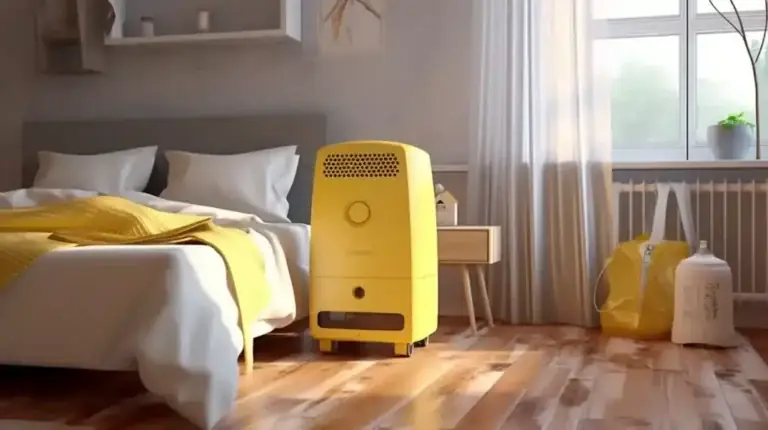
Relying solely on portable dehumidifiers treats moisture symptoms while ignoring root causes. Dehumidifiers consume high amounts of electrical energy continuously without resolving rainwater leaks, rising ground dampness, or envelope air infiltration.
Moisture Control Interventions Comparison
Detailed Real-World Scenarios and Diagnostic Failures
Sub-Grade Basements in Clay Soil Conditions
Basements built in heavy clay soils experience strong water pressure after rain events. Property owners often try to stop water seepage by applying internal waterproof cement coatings to exposed wall surfaces.
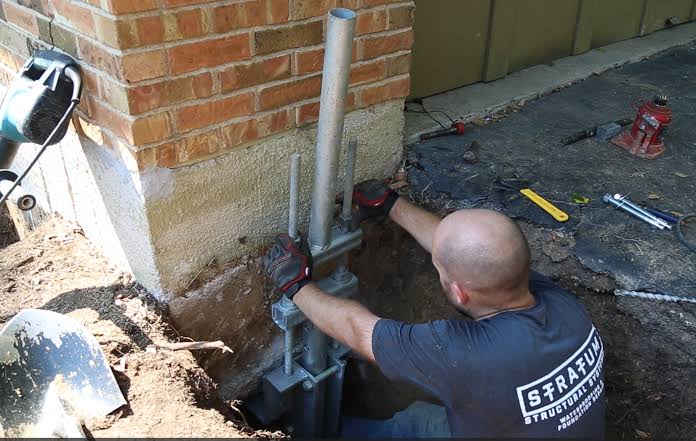
Internal coatings fail when hydrostatic pressure forces water through hairline plaster cracks. Correcting sub-grade moisture requires installing external French drainage channels, applying exterior foundation waterproofing membranes, and running dedicated sump pump extraction systems.
Retrofitted Insulation in Historic Brick Buildings
Adding blown-in cavity insulation to solid brick buildings alters wall drying dynamics. Rainwater penetrates outer brick facings naturally, saturating retrofitted insulation batts that hold water against interior wall framing.
Trapped moisture causes timber floor joist ends to rot inside masonry wall pockets. Resolving retrofitting failures requires removing wet insulation, improving exterior mortar pointing, and restoring natural cavity wall ventilation channels.
Planning, Cost, and Resource Dynamics
Addressing structural dampness requires balancing immediate diagnostic expenses against long-term building repair costs. Property owners must evaluate material lifespan, structural risks, and energy impacts when selecting moisture remediation strategies.
Financial Remediation Projections
Tools, Strategies, and Diagnostic Systems
Calibrated Pin-Type Moisture Meters
Handheld moisture meters measure electrical resistance across wood fibers or masonry pores to estimate material moisture content. Misinterpreting meter readings often leads to incorrect diagnoses, as high salt concentrations produce false dampness readings on dry wall surfaces.
Thermal Imaging Cameras
Infrared cameras identify cold wall surfaces caused by water evaporation or missing thermal insulation. Thermal imaging allows inspectors to locate hidden moisture pathways without opening up wall assemblies.
Calcium Carbide Diagnostic Testing
Calcium carbide testing provides absolute measurements of moisture content in masonry samples. Mixing drilled masonry dust with carbide reagent inside a sealed chamber generates acetylene gas pressure proportional to actual water content, preventing false salt readings.
Risk Landscape and Environmental Failure Modes
Failing to fix dampness causes compounding structural damage and poor indoor air quality. Prolonged relative humidity above 70 percent creates ideal conditions for toxic mold spore growth, degrading indoor air quality.
High moisture levels also cause dry rot fungal outbreaks in structural floor timbers. Dry rot fungi spread through masonry walls via microscopic strands, destroying wooden floor joists and roof trusses, leading to expensive structural repairs.
Governance, Maintenance, and Long-Term Adaptation
Maintaining dry building structures requires routine inspections and proactive envelope care. Mechanical exhaust systems and drainage networks degrade over time, lowering moisture extraction performance.
Seasonal Inspection Schedules
Establishing clear seasonal maintenance schedules prevents moisture problems from escalating. Spring checks should focus on clearing roof gutters and downspouts, while autumn inspections verify sub-floor vent openings and check window sealant integrity before winter rains arrive.
Adaptable Moisture Strategies
Environmental control systems must adapt dynamically to changing seasonal weather patterns. Lowering indoor humidity targets during winter prevents cold window glass condensation, while summer management focuses on sealing crawl spaces against humid outdoor air.
Measurement, Tracking, and Evaluation
Evaluating moisture control requires tracking indoor air humidity, material moisture content, and surface temperatures over time. Relying on visual inspections alone often misses hidden moisture accumulation behind walls.
Leading and Lagging Environmental Indicators
Leading indicators offer early warning signs before physical material damage occurs. These metrics include rising indoor relative humidity, elevated wall surface moisture readings, and dropping room dew points. Lagging indicators include peeling wall paint, visible mold growth, musty room odors, and rotting floor timbers.
Structured Diagnostic Data Logging
Keeping detailed records of environmental metrics helps building managers track moisture trends and evaluate repair effectiveness over time. Inspectors should log relative humidity, ambient room temperature, masonry moisture readings, and local weather conditions.
Common Misconceptions and Oversimplifications
“Installing Wall Vents Solves All Damp Problems”
Installing wall vents increases fresh air turnover, but cannot resolve heavy water issues like sub-grade groundwater seepage or active plumbing leaks. Vents added to uninsulated walls can introduce humid summer air, increasing surface condensation risks on cold concrete surfaces.
“Damp Walls Should Always Be Sealed Immediately”
Sealing wet masonry with synthetic coatings locks water inside wall cavities, accelerating structural wood rot and frost spalling. Damp walls must be allowed to dry naturally toward the exterior before applying breathable protective finishes.
Contextual and Structural Considerations
Building orientation, soil composition, and local topography strongly influence structural dampness risks. Properties built on heavy clay soils experience slow drainage and high hydrostatic pressure around foundation walls, while sandy soils allow surface water to drain away quickly.
Selecting effective moisture control strategies requires tailoring solutions to specific structural types and site conditions. Sub-grade basements require continuous mechanical drainage, whereas historic surface masonry demands breathable renders and passive air ventilation.
Comprehensive Moisture Management Synthesis
Successfully preventing structural dampness requires identifying root moisture sources, understanding vapor dynamics, and selecting appropriate material treatments. Relying on cosmetic surface sealants or incorrect damp diagnoses allows hidden structural rot to continue unchecked. Analyzing common dampness prevention mistakes helps property owners implement targeted interventions that protect building envelope integrity. Combining accurate diagnostic testing, continuous air ventilation, appropriate thermal insulation, and regular exterior drainage maintenance ensures long-term moisture control and maintains healthy indoor living environments for years to come.