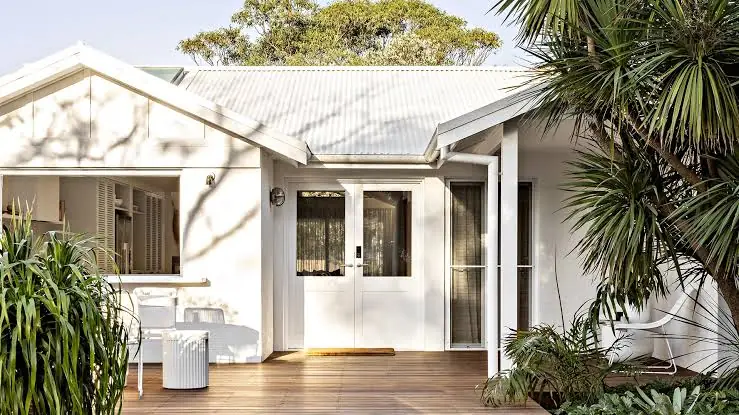
Common Coastal Landscaping Mistakes: Mistakes & Prevention Guide
Coastal environments present severe growing conditions for cultivated plant species and structural outdoor installations. High soil salinity, constant salt-laden winds, porous sand profiles, and periodic storm surges test standard residential landscape designs. When inland horticultural practices are applied to shoreline properties, plant loss, soil erosion, and costly hardscape damage occur.
Designing functional outdoor spaces near ocean coastlines requires understanding coastal dynamics. Property owners often treat coastal landscapes like inland suburban yards, using non-adapted plant species and standard soil preparation techniques. High wind pressure combined with airborne salt desiccates sensitive foliage, draws moisture from root zones, and corrodes structural outdoor hardware.
Creating resilient coastal landscapes requires matching site design with natural environmental processes. Successful projects rely on deep root systems, salt-tolerant plant choices, flexible drainage pathways, and wind-breaking plant layers. Avoiding critical planning errors protects shoreline investments while building stable, self-sustaining coastal ecosystems.
Understanding “Common Coastal Landscaping Mistakes”
The Multi-Disciplinary Environmental Challenge
Landscape architects view coastal sites through site grading, structural wind containment, and environmental setback compliance. Soil scientists evaluate these zones by analyzing sodium absorption ratios, sand grain movement, and organic nutrient leaching rates.
Horticulturalists assess foliage cell endurance under aerosol salt spray and wind stress. Combining these perspectives helps prevent design choices that lead to early landscape failure.
Distinguishing Superficial Failures from Structural Errors
Plant yellowing or minor wind burn indicates manageable environmental stress. True structural landscape failures involve dune destabilization, subgrade soil erosion, or systemic root rot caused by poor drainage.
Fixing structural errors requires rebuilding soil profiles and replacing hardscape elements rather than simple plant replacement.
Environmental Oversimplifications
Property owners often assume heavy irrigation can wash away accumulated salt spray from non-tolerant foliage. Excessive watering in sandy coastal soils leaches vital nutrients deep below root zones without removing aerosol salt from leaves.
Similarly, importing rich organic topsoil without adequate drainage barriers can trap moisture, causing root rot during heavy rain events. Identifying common coastal landscaping mistakes helps property owners choose native plants and resilient layout strategies.
Deep Contextual Background
Evolution of Shoreline Management Practices
Historic coastal development relied on heavy clearing of native beach scrub to construct formal turf lawns and decorative gardens. Native maritime plants were routinely replaced with ornamental inland species, destabilizing natural dune structures.
Subsequent storm events eroded unanchored sandy shorelines, demonstrating the value of native coastal vegetation.
Modern Environmental Demands
Modern coastal landscape planning operates under strict environmental regulations, changing weather patterns, and rising sea levels. State and local agencies enforce coastal setback rules, native plant mandates, and dune protection laws to preserve shoreline ecosystems.
Contemporary landscape design must balance aesthetic goals with environmental conservation to ensure long-term site stability.
Conceptual Frameworks and Mental Models
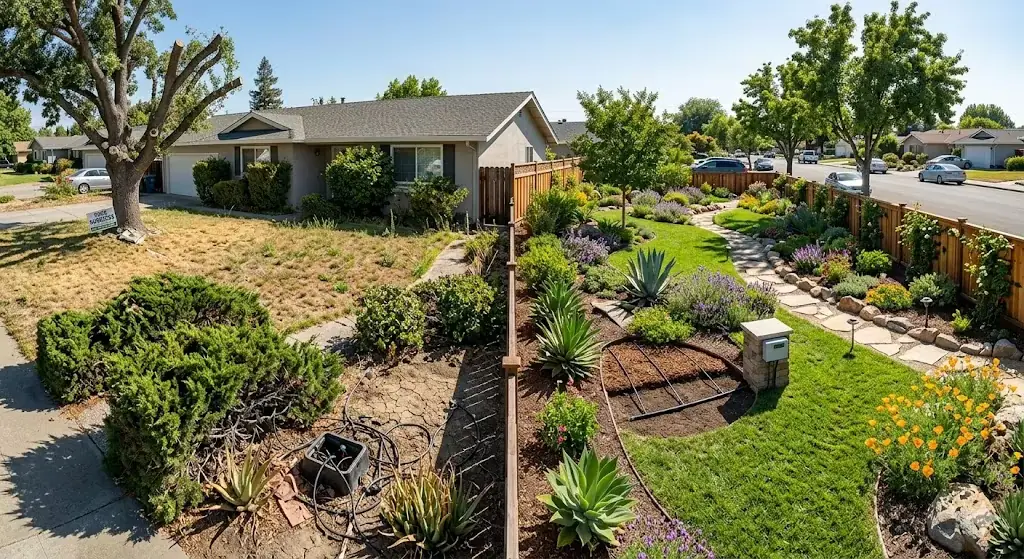
The Vegetation Zonation Model
The Vegetation Zonation model organizes coastal land into distinct environmental exposure bands based on ocean proximity. The primary zone faces direct salt spray and wind shear, requiring specialized dune stabilizers.
The secondary zone features moderate wind protection, supporting salt-tolerant shrubs and hardy ground covers. The tertiary zone accommodates broader plant varieties behind natural windbreaks. Placing plants outside their ideal exposure zones increases maintenance costs and causes plant loss.
The Dynamic Equilibrium Paradigm
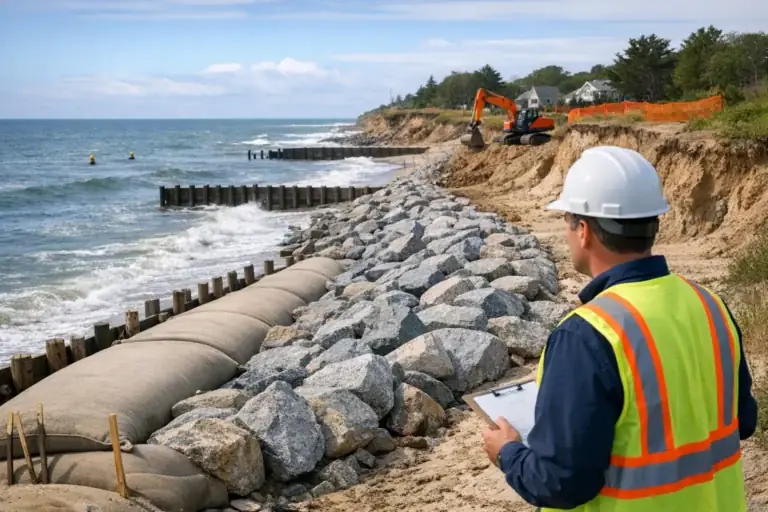
This framework views shoreline landscapes as flexible environments that adjust to continuous natural forces. Rigid hardscapes like solid concrete walls reflect wave energy, accelerating beach erosion along wall bases.
Flexible natural barriers, such as anchored dunes, native grasses, and permeable stone, absorb storm energy and self-repair after weather events.
The Salt Accumulation Cycle
The Salt Accumulation model tracks how sodium ions accumulate in coastal soils through ocean spray, high water tables, and brackish irrigation. Sodium displaces essential plant nutrients like calcium and potassium in the soil matrix.
Selecting salt-tolerant species and using low-sodium water sources prevents soil salinization and protects plant health.
Key Categories of Coastal Landscaping Errors
Improper Plant Selection
Choosing non-tolerant inland ornamental plants leads to widespread foliage burn and plant death. Ocean winds carry microscopic salt droplets that draw moisture directly out of unadapted plant tissues.
Selecting native maritime species ensures plants can process ambient salt and survive high winds.
Soil Management Mistakes
Importing heavy clay topsoil onto sandy coastal sites creates artificial soil layering. Water pools above dense clay layers, starving roots of oxygen while creating dry subgrade conditions underneath.
Amending native sand with well-decomposed organic matter improves water retention without disrupting natural soil drainage.
Hardscape Design Errors
Using non-marine grade fasteners, smooth polished stones, or non-permeable concrete slabs creates safety hazards and structural maintenance issues. Salt spray corrodes standard zinc-coated metals, while smooth stone paths become slick under humid marine air.
Using 316-grade stainless steel hardware, textured pavers, and permeable shell paths ensures hardscape durability.
Water Management Errors
Installing overhead sprinklers in coastal areas sprays brackish water directly onto plant leaves, exacerbating leaf burn. Drip irrigation systems deliver water directly to root zones, reducing evaporation losses and preventing leaf damage.
Proper irrigation design keeps soil moisture balanced without raising soil salinity levels.
Detailed Real-World Scenarios
Scenario A: Dune Front Residence Turf Installation
A homeowner replaced native dune vegetation with exotic turf grass up to the primary dune line. The turf required extensive overhead irrigation and synthetic fertilizer applications to survive in sandy soil.
Root Causes and Systemic Failures
-
Shallow turf grass roots failed to anchor sand dunes during high wind events.
-
Synthetic fertilizers leached rapidly into coastal waters, triggering localized algae blooms.
-
Overhead irrigation sprayed salty well water onto nearby ornamental plants, causing widespread foliage damage.
Corrective Interventions
-
Re-establish native dune grasses to rebuild deep root systems and stabilize sand.
-
Replace high-maintenance turf with drought-tolerant ground covers and permeable crushed stone paths.
-
Convert overhead sprinkler zones to subsurface drip irrigation lines.
Scenario B: Coastal Bluff Hardscape Failure
A homeowner built a solid concrete retaining wall along a steep coastal bluff without installing subsurface drainage channels. Heavy rains saturated the soil behind the wall, creating high hydrostatic pressure.
Root Causes and Systemic Failures
-
Trapped groundwater increased pressure against the unvented concrete wall.
-
Heavy rain eroded sand from beneath the wall foundation, causing structural cracking.
-
Runoff diverted around the wall eroded adjacent property slopes.
Corrective Interventions
-
Install perforated drain pipes and gravel backfill behind the retaining wall to relieve water pressure.
-
Retrofit wall faces with weep holes to allow trapped groundwater to escape safely.
-
Terraced the slope using native deep-rooted shrubs to bind surface soils naturally.
Planning, Cost, and Resource Dynamics
Coastal landscape investments require balancing upfront site prep costs against long-term maintenance expenses. Correcting structural erosion or failed hardscapes costs significantly more than proper initial planning.
Budget allocations should prioritize proper soil preparation, subsurface drainage, and native plant sourcing over decorative garden features. Investing in resilient infrastructure protects site investments from severe storm events.
Tools, Strategies, and Support Systems
Primary Mitigation Strategies
-
Layered Windbreak Buffers: Planting dense salt-tolerant trees and shrubs upfront protects delicate interior garden zones.
-
Subsurface Drip Lines: Delivering water directly to root systems avoids foliage burn from overhead salt spray.
-
Permeable Paving Systems: Using crushed shell, gravel, or porous pavers allows rainwater to recharge local aquifers without causing surface erosion.
Administrative Controls
Checking local environmental regulations, securing necessary coastal permits, and maintaining site plans ensures regulatory compliance. Keeping detailed records simplifies future property assessments and landscape maintenance.
Risk Landscape and Failure Modes
Understanding coastal environmental risks helps property owners prevent compound landscape failures.
Physical Risks
-
Dune Shear Exposure: Clearing dune vegetation exposes inland areas to severe storm surges and high wind damage.
-
Soil Salinization: Using brackish irrigation water concentrates sodium in root zones, hindering plant moisture absorption.
-
Corrosive Degradation: Airborne salt air rapidly degrades standard metal landscape ties and lighting fixtures.
Administrative Risks
-
Unpermitted Dune Cutting: Altering coastal dunes without permits can result in hefty environmental fines and mandatory site restoration orders.
-
Ignoring Setback Rules: Building permanent structures within protected coastal buffers risks structural loss during erosion events.
-
Using Invasive Species: Planting non-native invasive species can disrupt fragile coastal ecosystems and destroy native habitats.
Governance, Maintenance, and Long-Term Adaptation
Preventive Maintenance Schedule
Regular inspections catch early signs of plant stress and soil erosion before major landscape failures occur.
-
Monthly Irrigation Audits: Test water salinity levels and inspect drip emitters to ensure even moisture distribution.
-
Quarterly Plant Audits: Prune salt-damaged foliage, clear wind debris, and inspect plants for signs of pest stress.
-
Bi-Annual Hardscape Audits: Check structural fasteners, inspect wall drainage weep holes, and refresh permeable gravel paths.
Measurement, Tracking, and Evaluation
Key Performance Metrics
Tracking environmental metrics helps evaluate plant performance and soil stability across seasons.
Documentation Examples
Detailed site records help track landscape changes and refine maintenance routines over time.
Common Misconceptions and Oversimplifications
Misconception 1: “Thick Mulch Solves All Coastal Soil Problems”
Applying thick wood mulch along ocean shorelines often backfires. Strong winds blow light wood mulches away, while heavy mulch layers can trap excess salt against plant stems. Using coarse organic compost mixed into sandy subgrades works better than surface mulching.
Misconception 2: “All Palm Trees Are Salt Tolerant”
While many palms thrive in maritime environments, species like the Queen Palm suffer leaf burn when exposed to direct coastal salt spray. Selecting native species like Sabal Palms ensures long-term coastal survival.
Misconception 3: “Retaining Walls Prevent All Coastal Erosion”
Vertical retaining walls reflect wave energy downward, washing away sand from the base of the wall. Using bio-engineered slopes, native plant root matrices, and terraced stone absorbs storm energy more effectively than solid walls.
Ethical, Practical, and Contextual Considerations
Designing coastal landscapes requires balancing personal aesthetic preferences with public ecosystem preservation. Removing native dune vegetation to clear ocean views increases erosion risks for neighboring properties.
In addition, over-using chemical fertilizers near shorelines causes nutrient pollution in fragile marine habitats. Responsible property owners prioritize native planting strategies that protect shoreline stability and marine water quality.
Conclusion
Avoiding common coastal landscaping mistakes requires understanding natural coastal dynamics, choosing native plant species, and building resilient drainage systems. Property owners who work with coastal conditions—rather than fighting them with inland techniques—build beautiful, low-maintenance landscapes that withstand harsh ocean environments.
Investing in salt-tolerant plants, permeable hardscapes, and proper soil preparation preserves property values and protects coastal ecosystems for years to come.