Best Oceanfront Living in the US: Premier Coastal Real Estate
Evaluating coastal residential options across the United States requires navigating complex environmental, regulatory, and financial landscapes. The appeal of direct water access is often balanced by severe weather exposure, shifting insurance models, and strict coastal management laws. Beyond lifestyle preferences, selecting a coastal property involves assessing structural engineering requirements, regional climate stability, and long-term asset preservation.
Coastal regions vary significantly in geography, municipal infrastructure, and real estate performance. A oceanfront property in Southern California faces different risk factors—such as bluff erosion, marine layer dampness, and high acquisition costs—than a property along the barrier islands of North Carolina, where hurricane storm surges and dynamic beach migration dictate property boundaries. Evaluating these coastal markets demands a clear analysis of local microclimates and regional economic factors.
Long-term ownership of coastal real estate extends far past the initial purchase price. Ongoing maintenance demands created by salt-air corrosion, high wind loads, and elevated moisture levels require continuous capital investment. Buyers who view coastal living through an integrated lens—combining structural engineering, insurance analysis, and site selection—protect their wealth more effectively than those who rely solely on scenic appeal.
Understanding “Best Oceanfront Living in the US”
The Multi-Dimensional Property Evaluation
Real estate investors analyze coastal markets by tracking historical appreciation rates, rental yield caps, and regional tax structures. Structural engineers focus on foundation design, corrosion-resistant building materials, wind load resistance, and site elevation above base flood levels.
Environmental scientists assess shorelines by studying sand erosion rates, natural dune stability, and long-term sea-level shifts. Combining these perspectives helps prevent unexpected ownership expenses and structural failures.
Distinguishing Superficial Appeal from Structural Resilience
Expansive ocean views and direct beach access often mask underlying site vulnerabilities. High-end architectural finishes can conceal structural frame decay or improper window flashing that permits salt-air intrusion into wall cavities.
True structural quality relies on robust foundation pilings, marine-grade stainless steel fasteners, and proper moisture drainage behind exterior cladding.
Analytical Oversimplifications
Buyers frequently evaluate coastal regions using broad geographic categories like “the East Coast” or “Florida.” These sweeping labels overlook critical microclimates, local zoning laws, and specific shoreline topography.
A home located on a protected bay bluff functions differently than a home situated directly on an exposed barrier island strand. Identifying the best oceanfront living in the us requires analyzing specific parcel geography, local setback rules, and regional weather resilience.
Deep Contextual Background
Historical Evolution of Coastal Real Estate
American coastal development transitioned from working maritime ports and seasonal fishing camps to high-value residential markets during the twentieth century. Post-war infrastructure expansions, highway construction, and air conditioning adoption fueled rapid population growth along Southern and sunbelt shorelines.
Early builders often ignored natural dune boundaries, placing structures directly on shifting sands without modern structural engineering standards.
Modern Regulatory and Environmental Drivers
Severe hurricane seasons and coastal erosion events over recent decades forced major updates to coastal building codes. The passage of coastal barrier resource acts and updated FEMA flood maps changed development rules across coastal states.
Today, property buyers must navigate complex regulatory systems including state coastal commission permits, strict setback lines, and mandatory windstorm building standards.
Conceptual Frameworks and Mental Models
The Coastal Exposure Triad
The Coastal Exposure Triad evaluates property stability by analyzing three core factors: site elevation relative to storm surge height, distance from active high-tide lines, and structural resistance to wind shear.
A vulnerability in any one factor increases structural risk during severe storm events. Properties with high site elevation can often withstand severe coastal storms even with moderate setbacks.
The Life-Cycle Maintenance Escalation Model
This model tracks how maintenance costs accelerate near ocean waters compared to inland structures. Salt-spray deposition accelerates the oxidation of iron, zinc, and standard steel components, requiring frequent replacement cycles.
Understanding this acceleration helps buyers budget accurately for exterior repainting, hardware updates, and mechanical unit replacements over a ten-year ownership period.
The Insurability Boundary Framework
This framework classifies coastal parcels by their long-term insurance feasibility rather than immediate market value. Properties located within high-risk flood zones face rising insurance premiums and potential coverage caps.
Properties situated landward of state coastal construction lines remain easier to insure, preserving resale liquidity during market downturns.
Key Categories of Coastal Markets and Trade-Offs
Pacific Northwest Coastal Bluff Profiles
Pacific Northwest coastal properties feature dramatic elevated sea-cliffs, dense coniferous forests, and cooler maritime weather. While direct beach access remains limited by steep topography, these elevated sites offer strong protection against sea-level rise and storm surges.
However, heavy rainfall and wave action along cliff bases increase long-term landslide and bluff erosion risks.
Southern California Microclimates
Southern California pairs mild Mediterranean temperatures with steady coastal real estate demand. High land costs and low inventory characterize markets from San Diego to Santa Barbara.
Properties located along low-lying beaches face coastal erosion risks, while cliff-side parcels require continuous geotechnical monitoring to track bluff retreat.
South Florida Barrier Islands and Estuaries
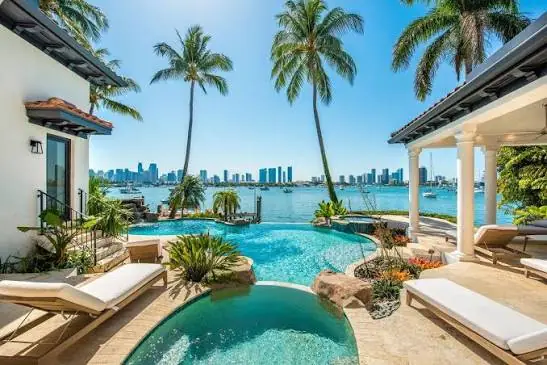
South Florida features warm ocean waters, direct beach access, and zero state income tax policies. However, low terrain elevations expose properties to storm surges and high-tide street flooding.
Insurance premiums along these barrier islands represent a significant ongoing operating cost for homeowners.
Southeast Atlantic Barrier Strands
From Georgia through the Outer Banks of North Carolina, barrier islands offer sandy beaches and historic coastal towns. These low-lying sand structures naturally shift over time through ocean currents and coastal storms.
Homes built in these regions require deep piling foundations driven into stable subgrade sands to endure storm-driven beach erosion.
Market Selection Decision Logic
Selecting a coastal location requires balancing desired lifestyle activities, annual tax exposure, and tolerance for severe weather risks. Buyers prioritizing mild climate and low storm risk often accept higher property costs in West Coast markets.
Conversely, buyers seeking warm waters and tax advantages in the Southeast must manage elevated insurance premiums and potential hurricane disruptions.
Detailed Real-World Scenarios
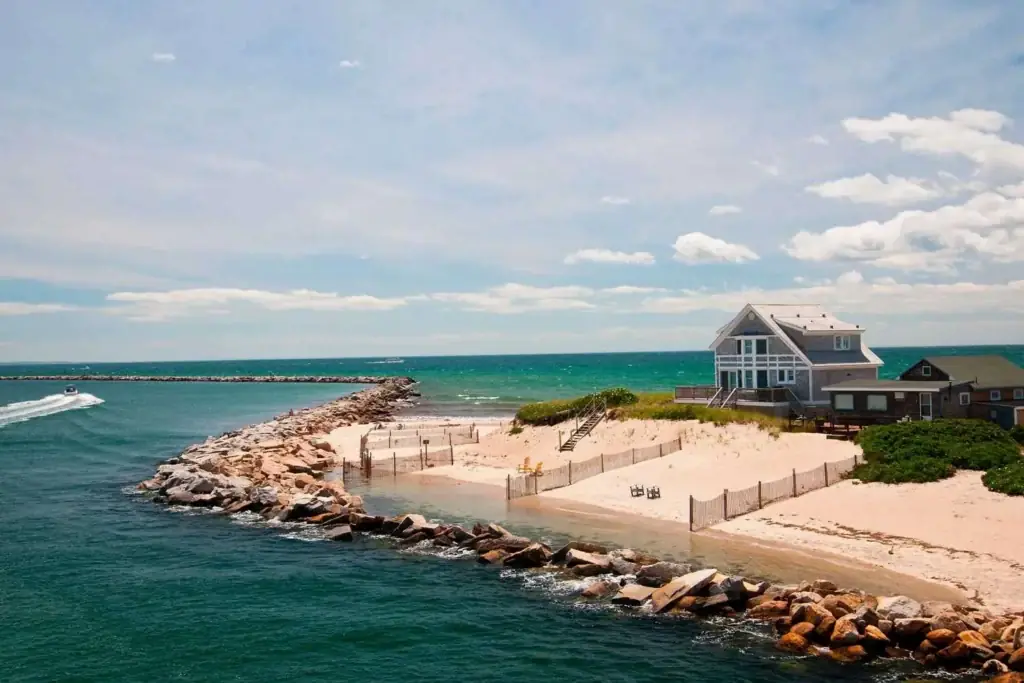
Scenario A: South Florida Low-Lying Oceanfront Parcel
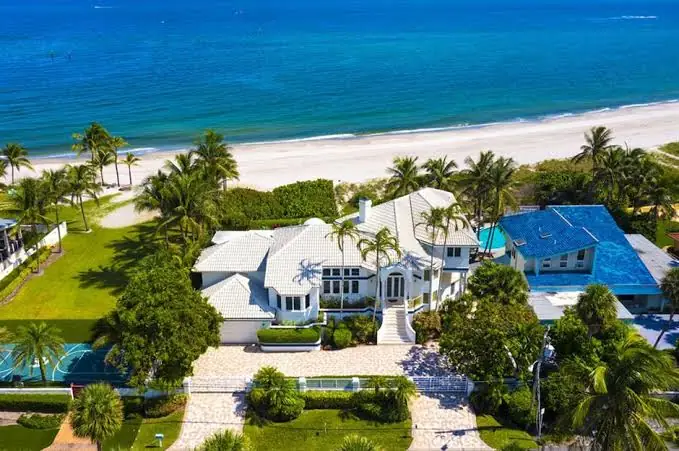
A buyer acquires a luxury single-family residence situated directly on a South Florida barrier island. The property features a ground-level concrete slab foundation built prior to modern flood elevation guidelines.
Root Causes and Operational Stressors
-
The low slab foundation sits below updated base flood elevation standards.
-
Annual windstorm and flood insurance premiums increased rapidly over a five-year period.
-
High ocean tides frequently flood the access road, blocking emergency vehicle travel.
Strategic Adjustments
-
Retrofit ground-floor enclosures with engineered flood vents to lower structural hydraulic pressure during storm surges.
-
Install high-capacity emergency generator systems elevated above local flood lines.
-
Transition structural insurance policies to specialized excess coverage providers to manage risk exposure.
Scenario B: Southern California Bluff-Top Residence
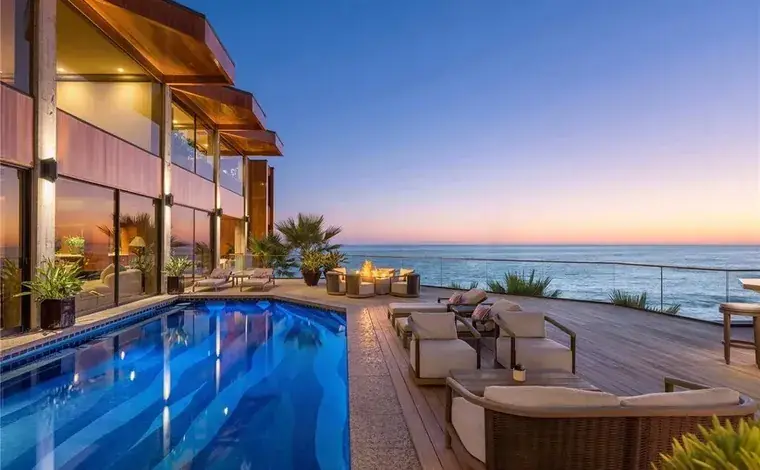
An investor purchases a coastal property situated on a 60-foot oceanfront bluff in San Diego County. The home features floor-to-ceiling glass systems overlooking the ocean.
Root Causes and Operational Stressors
-
Bluff edge recession caused by wave action eroded five feet of backyard space over ten years.
-
Marine layer moisture corroded exterior architectural steel supports, creating structural staining.
-
Local coastal commission rules restrict the construction of new concrete seawalls along bluff bases.
Strategic Adjustments
-
Install deep caisson foundation supports under the ocean-facing portion of the home to stabilize the structure.
-
Replace corroded architectural hardware with 316-grade marine stainless steel components.
-
Implement a subsurface drainage system to divert backyard rainwater away from the bluff edge.
Planning, Cost, and Resource Dynamics
Operating costs for oceanfront homes extend far beyond standard mortgage and real estate tax payments. Specialized maintenance schedules, higher utility demands, and insurance premiums alter overall ownership costs.
Labor rates for specialized coastal contractors run significantly higher than inland trade costs due to site access challenges and specialized material requirements. Budgeting for continuous maintenance helps owners preserve structural value and avoid unexpected emergency repairs.
Tools, Strategies, and Support Systems
Essential Site Selection Strategies
-
Geotechnical Core Drilling: Core samples assess soil density, bedrock depth, and bluff stability before purchase.
-
Historical Shoreline Mapping: Reviewing decades of coastal erosion data reveals natural beach movement trends.
-
Property Elevation Certificates: Verifying structure heights relative to base flood lines helps predict insurance costs.
Administrative Controls
Tracking municipal coastal management plans, monitoring regional flood map updates, and retaining licensed marine contractors ensures informed property management. Organized maintenance logs streamline future property sales and verify structural compliance.
Risk Landscape and Failure Modes
Understanding coastal property risks helps buyers avoid compounding financial and structural issues over time.
Physical Failure Modes
-
Fastener Failure: Corroded structural connectors weaken roof-to-wall ties under high wind loads.
-
Undermined Footings: Wave action washes sand away from shallow footings, triggering structural settling.
-
HVAC Coil Decay: Salt air degrades copper HVAC coils rapidly, causing sudden system failures.
Administrative and Market Risks
-
Insurance Non-Renewal: Insurers exiting high-risk coastal markets can leave owners scrambling for replacement coverage.
-
Regulatory Building Restrictions: Strict coastal laws can limit planned home expansions or seawall construction.
-
Special Infrastructure Assessments: Municipalities may levy special assessments on local owners to fund beach replenishment projects.
Governance, Maintenance, and Long-Term Adaptation
Preventive Maintenance Schedule
Regular inspections help catch minor salt-air wear before it escalates into major structural damage.
-
Quarterly Hardware Washdowns: Rinse exterior metal fixtures, window tracks, and door frames with fresh water to remove salt deposits.
-
Bi-Annual Envelope Audits: Inspect exterior caulking, flashing interfaces, and impact glass seals for air leaks.
-
Annual Structural Assessments: Hire a licensed engineer to inspect exposed foundation piles, deck brackets, and roof connections.
Measurement, Tracking, and Evaluation
Key Monitoring Metrics
Tracking physical and financial metrics helps owners evaluate property stability and manage annual operating budgets effectively.
Operational Documentation Examples
Maintaining clear maintenance records helps document structural quality for future buyers and insurance providers.
Common Misconceptions and Oversimplifications
Misconception 1: “All Oceanfront Real Estate Appreciates at the Same Rate”
Appreciation rates vary widely based on parcel elevation, beach width, and regional infrastructure quality. Properties with wide protective dune systems maintain value better than homes facing active beach erosion.
Misconception 2: “Sea Walls Provide Complete Property Protection”
Vertical seawalls reflect wave energy downward, often accelerating sand loss along the base of the structure. Over time, wave action can undermine unmaintained seawalls, leading to sudden structural collapses.
Misconception 3: “Modern Impact Windows Eliminate All Storm Risk”
While impact glass protects against flying debris and wind pressurization, it cannot shield a low-lying home from rising floodwaters. Proper foundation elevation remains critical for true storm protection.
Ethical, Practical, and Contextual Considerations
Balancing private property enjoyment with coastal ecosystem conservation requires thoughtful stewardship. Constructing unpermitted shoreline armoring can accelerate erosion on neighboring parcels and disrupt natural dune habitats.
In addition, public beach access laws vary by state, creating potential friction between private owners and public beach visitors. Responsible owners work within established coastal management guidelines to protect both their property investments and the surrounding environment.
Conclusion
Finding the best oceanfront living in the us requires evaluating regional climate conditions, structural engineering requirements, and ongoing ownership costs. Property owners who analyze soil stability, invest in durable building materials, and account for long-term insurance trends protect their capital far better than those relying on scenery alone.