How to Manage High Humidity Indoors: A Complete Engineering and Climate Control Guide
Uncontrolled moisture inside built structures represents a persistent balance challenge that spans thermodynamics, structural engineering, and human occupancy patterns. Most homeowners view damp air merely as a thermal comfort issue that requires a simple plug-in appliance. However, understanding how to manage high humidity indoors requires analyzing how water vapor interacts with building envelopes, airflow pathways, and local microclimates. Water molecules move continuously through air, drywall, wood framing, and masonry. When vapor pressure differentials drive moisture inward faster than a home can dry, internal humidity spikes, leading to structural degradation and biological growth.
Managing indoor moisture demands a precise approach based on physics rather than simple intuition. The primary metric used by HVAC professionals is relative humidity (RH), which measures the ratio of current vapor pressure to maximum saturated vapor pressure at a given temperature. Because warm air holds significantly more mass of water vapor than cold air, lowering indoor temperature without extracting water vapor actually increases relative humidity. Achieving true moisture stability requires balancing internal generation sources, envelope infiltration, and active mechanical extraction.
Relying solely on visual cues or basic thermostats often leads to improper equipment selection and energy waste. Indoor spaces require distinct management strategies depending on whether the primary moisture source is internal, such as cooking and bathing, or external, such as high outdoor dew points and ground moisture intrusion. Failing to identify the true origin of excess water vapor leads to superficial fixes that allow hidden structural rot behind walls to continue unabated.
Thermal Dynamics and Vapor Pressure Mechanisms
Air acts as a thermal sponge where water exists as a invisible gas exertive pressure on its surroundings. Vapor pressure drives water molecules from areas of high concentration toward areas of low concentration across air boundaries and permeable building materials. When internal temperatures drop near the dew point, airborne moisture transitions into liquid condensate on cold framing elements, window glass, and foundational concrete.
The Limits of Basic Appliance Extraction
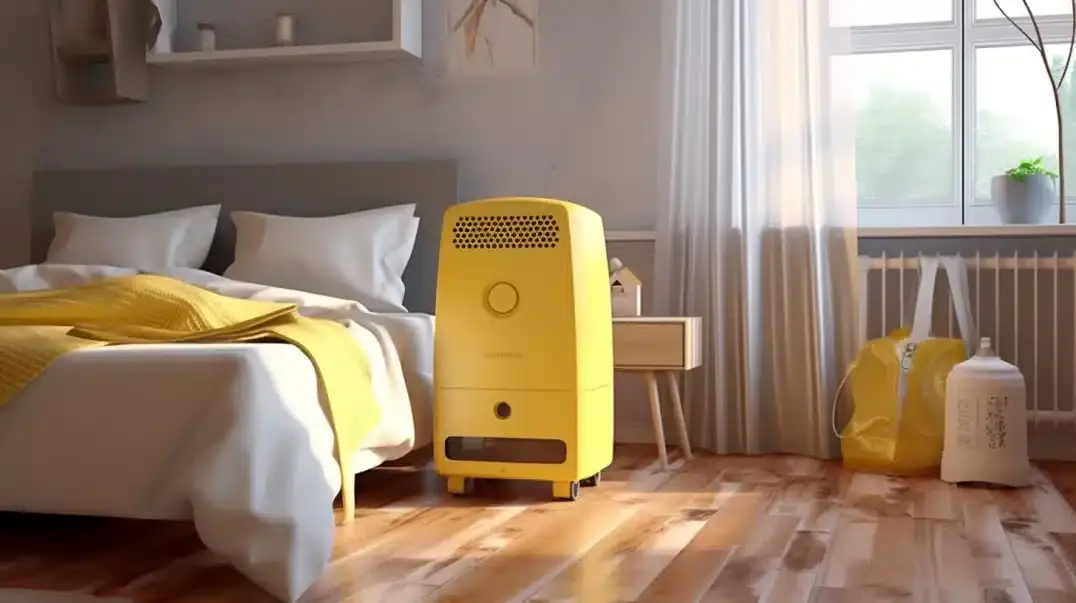
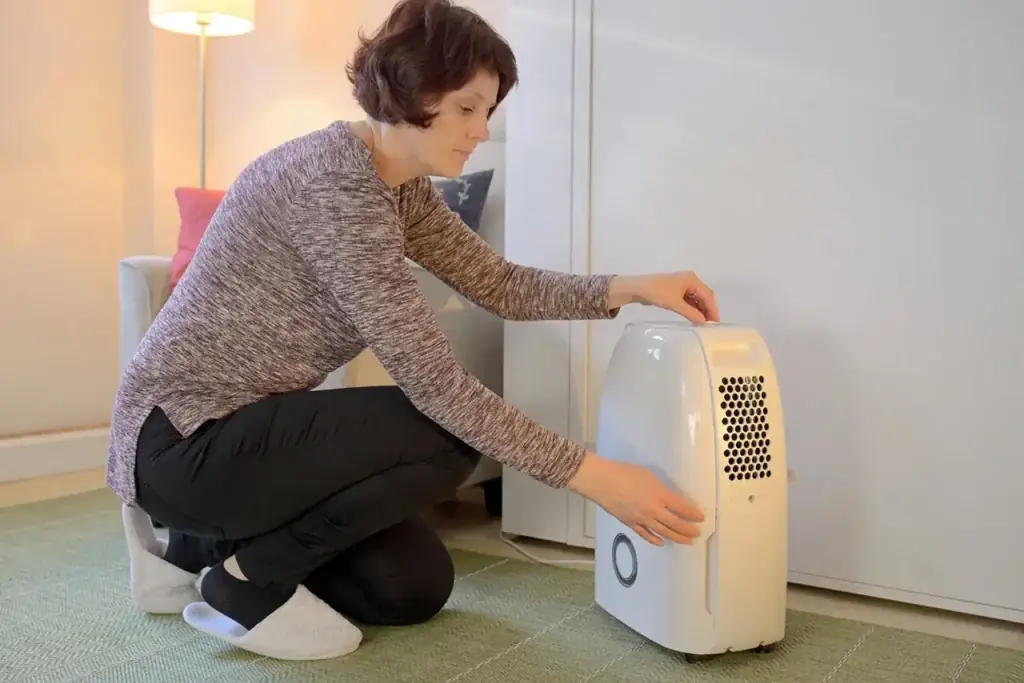
Standard portable dehumidifiers operate by running ambient air across an evaporative cold coil to freeze or condense water vapor out of suspension. While effective inside localized, closed spaces like small basements, these standalone units often fail to address home-wide vapor pressure drivers. They generate waste heat, draw substantial continuous electricity, and cannot counteract heavy air infiltration through unsealed building envelopes.
Deep Contextual Background of Indoor Moisture Dynamics
The historical evolution of residential construction has fundamentally altered how moisture behaves within living spaces. Traditional structures built before the mid-twentieth century were notoriously leaky, featuring uninsulated wall cavities and natural ventilation through gaps in joinery. While these early homes consumed significant heating fuel, their continuous air exchange allowed wet building components to dry rapidly. Water vapor moved freely through structural assemblies without lingering long enough to cause sustained fungal growth or material decay.
Modern construction standards prioritized energy efficiency, resulting in tightly sealed building envelopes designed to stop unwanted thermal transfer. Continuous air barriers, high-performance insulation, and double-pane windows drastically reduced space heating and cooling loads. However, these air-tight enclosures eliminated natural structural drying pathways. Moisture generated inside by occupants became trapped, transforming modern homes into sealed vessels where micro-climatic humidity accumulates rapidly if mechanical systems fail.
Simultaneously, building materials shifted from solid lumber, lime plaster, and brick toward engineered wood products, gypsum board, and paper-faced insulation. These modern substrates possess low tolerance for liquid water exposure and offer rich organic nourishment for mold spores when relative humidity remains above 60 percent for extended periods. Consequently, moisture control evolved from an informal outcome of drafty construction into a dedicated engineering discipline requiring intentional HVAC design and active air management.
Construction Material Shifts and Water Tolerance
Modern engineered materials absorb and hold moisture differently than solid historic timber. Plywood, oriented strand board (OSB), and drywall degrade quickly under sustained hydro-thermal stress, losing structural integrity as synthetic binders yield to elevated equilibrium moisture content.
The Evolution of HVAC System Sizing
Historical heating and cooling units were frequently oversized to handle extreme thermal loads without detailed load calculations. Modern inverter-driven variable-speed compressor systems focus on continuous, low-stage operation, which dramatically improves latent heat removal by keeping cooling coils consistently cold for extended runtime cycles.
Conceptual Frameworks and Mental Models
The Moisture Balance Equation
An interior volume operates like a mass balance basin where liquid and vapor inputs must equal total moisture output to maintain a static relative humidity target. Sources include human respiration, cooking, laundry, soil vapor intrusion, and exterior air infiltration. Outputs consist of mechanical dehumidification, exhaust ventilation, and moisture absorption by hygroscopic building materials. When daily inputs exceed output capacity, ambient relative humidity rises predictably.
The Thermal-Humidity Dew Point Matrix
Relative humidity changes dynamically whenever indoor air temperatures fluctuate. The dew point temperature provides an absolute measurement of actual moisture content in the air mass. Understanding the interaction between dry-bulb temperature and dew point helps homeowners identify structural surface condensation risks before physical liquid water becomes visible on walls or windows.
Psychrometric Trajectories and Comfort Bounds
Indoor environmental control relies on psychrometrics, the study of thermodynamic properties of moist air. Balancing human thermal comfort with structural health requires operating within a specific psychrometric envelope, typically defined as maintaining indoor relative humidity between 30 percent and 50 percent at standard room temperatures.
Psychrometric Framework Comparison
Key Categories of Humidity Control Interventions
Whole-House Mechanical Dehumidification
Dedicated whole-home dehumidifiers integrate directly into central HVAC duct networks to treat ambient air across every living zone. These systems pull return air, strip moisture across heavy-duty coils, and deliver dry air through supply trunks without over-cooling spaces. Modern units feature dedicated outdoor air connections that introduce fresh, filtered, and dehumidified ventilation continuously.
Targeted Point-Source Exhaust Systems
Point-source ventilation focuses on capturing water vapor at its origin before it diffuses throughout the home. High-efficiency exhaust fans installed in bathrooms, kitchens, and laundry zones exhaust moisture-laden air directly to the home exterior. Effective systems use humidistat controls or continuous low-sone operation to maintain baseline air turnover.
Building Envelope Air and Vapor Sealing
Addressing air leakage eliminates the primary vector for exterior moisture entering a home during humid seasons. Sealing attic bypasses, wall penetrations, crawl space membranes, and duct leaks stops bulk water vapor infiltration driven by wind pressure and stack effects. Envelope tightening lowers baseline latent cooling loads on mechanical equipment.
Detailed Real-World Scenarios and Failure Modes
Basements in Humid Continental Climates
Subterranean concrete walls remain continuously cool due to surrounding earth temperatures. When warm, humid summer air enters a basement through open windows or air leaks, it cools rapidly upon contacting concrete surfaces. This cooling increases local relative humidity toward 100 percent, creating ideal conditions for mold growth along baseboards and finished wall framing. Correcting this failure mode requires continuous perimeter vapor barriers, rigid foam insulation, closed windows, and dedicated sub-grade dehumidification.
Hot-Humid Coastal Climate Infiltration
Coastal environments feature high ambient dew points that persist through day and night. Standard air conditioning units running on basic on-off cycles often struggle to manage indoor moisture. If an AC compressor shuts down as soon as sensible cooling targets are met, moisture on the cold evaporator coil evaporates back into the circulating airflow. Addressing this requires lowering indoor fan blower speeds during cooling cycles to maximize condensation time, complemented by supplemental mechanical dehumidification.
Planning, Cost, and Resource Dynamics
Implementing effective moisture control requires balancing upfront capital investments against long-term energy consumption and structural maintenance expenses. Homeowners must evaluate system life cycles, installation complexity, and potential utility impacts across different climate zones and building types.
Capital Investment vs Operational Expenses
Tools, Strategies, and Support Systems
Digital Hygrometers and Sensor Networks
Accurate measurement tools form the foundation of any indoor moisture management strategy. Modern wireless sensor networks allow continuous tracking of temperature and relative humidity across multiple zones, including living spaces, attics, basements, and wall cavities. Data logging enables homeowners to identify specific moisture spikes tied to daily household routines or changing outdoor weather patterns.
Desiccant versus Compressor Systems
Mechanical moisture removal relies on two primary technologies: compressor-based refrigeration systems and desiccant rotors. Refrigerant systems excel in warm environments by condensing water onto cold metal coils. Desiccant systems use moisture-absorbing materials like silica gel, making them uniquely effective in cool environments where standard coils would freeze over.
Smart Exhaust Controls
Automated control systems replace manual wall switches with intelligent sensing technologies. Modern smart humidistats automatically calculate dew point trends and trigger exhaust fans when moisture levels rise sharply. This automated response prevents steam from bathroom showers from escaping into adjacent bedrooms and hallway walls.
Risk Landscape and Environmental Failure Modes
Unmanaged interior moisture creates cascading building failures that compromise structural integrity, indoor air quality, and occupant health. Prolonged relative humidity above 60 percent provides ideal conditions for biological contamination. Fungal spores germinate on organic substrates, breaking down wood framing, drywall paper, and furniture finishes over time.
High humidity also accelerates structural decay by increasing the equilibrium moisture content of timber elements. Frame members expand as they absorb water vapor, causing drywall joints to crack, floorboards to cup, and paint finishes to peel. Furthermore, elevated humidity encourages dust mite populations, which thrive in ambient moisture levels above 50 percent and degrade indoor air quality.
Governance, Maintenance, and Long-Term Adaptation
Sustaining healthy indoor humidity levels requires routine maintenance of environmental control systems and building envelope components. Mechanical systems deteriorate without regular attention, leading to declining moisture extraction efficiency and higher operating costs.
Routine Inspection Protocols
Homeowners should establish seasonal checklists to verify equipment performance and drainage functionality. Inspections must include checking air filters on whole-home units, clearing gravity condensate lines, verifying backdraft damper movement on exhaust flues, and monitoring crawl space vapor barriers for tears or standing water.
Seasonal Adaptation Adjustments
Environmental control settings must adapt dynamically to changing exterior seasons. During winter, interior humidity targets should be lowered to prevent condensation on cold window glass. Conversely, summer management focuses on sealing building perimeters and running active cooling systems continuously to counteract high outdoor dew points.
Measurement, Tracking, and Evaluation
Evaluating humidity management requires monitoring both quantitative sensor metrics and physical indicators around the home. Relying on a single wall-mounted thermostat can lead to misleading conclusions, as localized humidity variations occur across different floors and microclimates.
Leading and Lagging Environmental Indicators
Leading indicators provide early warning signals before physical damage occurs. These metrics include rising indoor dew points, elevated baseline relative humidity, and brief air conditioner runtime cycles. Lagging indicators represent established damage, including visible surface condensation, musty odors, peeling paint, and structural wood warping.
Standardized Documentation Log
Maintaining a structured record of indoor environmental metrics helps diagnose system degradation over time. Homeowners should track ambient indoor temperatures, relative humidity, outside weather conditions, and active equipment status to identify emerging performance issues early.
Common Misconceptions and Oversimplifications
“Cranking the Air Conditioner Is the Best Way to Dehumidify”
Standard air conditioners extract moisture only while their compressor is actively cooling the air. If an oversized unit satisfies room temperature settings too quickly, it shuts off before completing sufficient latent cooling. This leaves indoor air feeling cold and clammy while relative humidity remains uncomfortably high.
“Opening Windows Always Improves Indoor Air Circulation”
Ventilating a home by opening windows only lowers indoor moisture if the outdoor dew point is lower than the indoor dew point. Opening windows during warm, humid weather introduces gallons of water vapor into living spaces, rapidly overwhelming mechanical dehumidification systems and damaging building materials.
Contextual and Structural Considerations
Topography, regional climate patterns, and foundation architecture dictate how moisture moves through a building footprint. Structures built on poorly drained clay soils experience strong hydro-static pressure, forcing groundwater through porous concrete foundations. Conversely, homes on elevated sandy soil face lower sub-grade moisture intrusion but remain vulnerable to wind-driven humidity.
Proper management requires matching strategies to building design. Slab-on-grade foundations, vented crawl spaces, unconditioned basements, and upper-level cathedral ceilings each exhibit unique hydro-thermal risks. Successfully managing indoor moisture requires selecting tailored solutions rather than applying generic home improvements.
Comprehensive Indoor Climate Management Synthesis
Successfully controlling indoor moisture depends on understanding thermal dynamics, mechanical extraction capabilities, and building envelope performance. Homeowners who rely on superficial solutions or standalone appliances often fail to address the root drivers of indoor moisture. Achieving lasting stability requires viewing the entire structure as an integrated system, where air sealing, source control, baseline ventilation, and dedicated dehumidification work in concert.
By focusing on absolute metrics like dew point temperature rather than relying solely on thermal comfort, individuals can implement targeted interventions that protect building materials and maintain healthy indoor air. Developing routine maintenance schedules, monitoring environmental indicators, and adapting system settings across seasons ensures long-term protection against biological growth and structural decay. Effective environmental control turns a damp house into a resilient, healthy, and energy-efficient living environment.