How to Reduce Hurricane Repair Expenses: Financial Strategy Guide
Managing the financial aftermath of a tropical storm requires a shift from reactive spending to structured risk management. Property owners often focus on immediate post-storm clean-up without considering how early recovery decisions affect total out-of-pocket costs. Reducing recovery costs requires a long-term approach that links property preservation, clear policy understanding, and strategic repair scheduling.
The true cost of storm damage extends beyond initial contractor quotes. Unplanned repairs often lead to higher prices due to local material shortages, demand surcharges, and secondary issues like moisture intrusion. Property owners who treat storm resilience as a continuous operational priority consistently manage structural restoration costs more effectively than those who rely solely on insurance payouts after an event.
Financial exposure to severe weather depends on three main factors: physical mitigation, contractual clarity with insurers, and administrative preparedness. Addressing these areas before a storm hits reduces emergency response costs and prevents disputes over pre-existing conditions. Effective cost control requires evaluating structural risks and policy limitations before high winds or rising waters cause damage.
Understanding “How to Reduce Hurricane Repair Expenses”
The Multi-Perspective Financial Reality
Reducing storm recovery costs involves more than finding cheap local labor or choosing lower-grade materials after a storm. Structural engineers look at cost reduction through load path continuity, ensuring roof-to-wall ties remain intact during high wind events. Insurance adjusters evaluate risk mitigation by reviewing policy language, coverage deductibles, and pre-loss maintenance records.
Contractors assess cost dynamics based on material availability, labor demand, and emergency access constraints immediately following a disaster. Balancing these different perspectives helps prevent short-term savings from creating larger long-term structural liabilities.
Common Misunderstandings and Oversimplifications
Property owners often assume insurance policies cover the full cost of returning a building to its pre-storm state. Standard policies frequently exclude coverage for building code updates, ordinance compliance, or secondary water damage caused by delayed repairs.
Relying on post-disaster government aid or emergency grants can also lead to financial strain. Public assistance programs generally provide targeted safety net support rather than comprehensive property restoration funding.
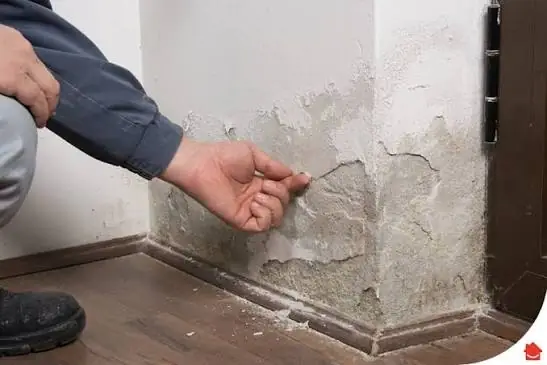
Another common mistake is postponing minor maintenance items, such as repairing loose roof flashing or clearing clogged drainage paths. Minor envelope vulnerabilities allow wind-driven rain to penetrate structural assemblies long before structural failure occurs. Water entering structural assemblies often causes unseen mold growth and subfloor rot. Resolving these secondary issues significantly increases total restoration costs.
Deep Contextual Background
Historical trends in building codes and insurance markets show how recovery expenses have shifted over time. The aftermath of major hurricanes like Andrew in 1992 and Katrina in 2005 led to stricter building standards across coastal states. While modern codes improve structural survival rates during severe events, they also increase repair costs when older structures suffer partial damage. Upgrading existing buildings to meet current wind load and flood elevation standards can cost significantly more than basic repairs.
At the same time, the insurance industry has adjusted its risk exposure by introducing separate windstorm deductibles. These deductibles are typically calculated as a percentage of the total insured building value rather than a flat dollar amount.
As insurance providers shift more financial responsibility to property owners, managing out-of-pocket costs requires a clear strategy. Understanding how to reduce hurricane repair expenses now depends on proactive risk reduction rather than passive claim processing.
Conceptual Frameworks and Mental Models
The Defense-in-Depth Model
The Defense-in-Depth approach views a structure as a series of protective layers designed to resist environmental forces. The outer layer consists of primary opening protection, such as impact-rated shutters, storm panels, and reinforced garage doors.
The secondary layer includes water-resistant barriers, sealed roof decks, and secure perimeter flashing. The inner layer consists of structural framing anchors, hurricane straps, and continuous load paths.
Evaluating a building through these distinct layers allows owners to invest in high-impact upgrades before structural failures occur.
The Cost-Decay Curve of Water Intrusion
Water damage restoration costs follow a rapid cost-decay curve over time. Immediate mitigation within 24 to 48 hours keeps cleanup expenses within expected drying and sanitization budgets. Allowing water to sit beyond 72 hours leads to exponential cost increases due to systemic mold remediation, structural timber degradation, and interior drywall replacement.
The Total Cost of Ownership Framework
Applying a total cost framework shifts the focus from initial installation prices to long-term operational expenditures. High-performance impact windows carry higher upfront material and labor costs compared to standard glass with temporary plywood coverings.
However, impact windows eliminate recurring board-up labor fees, lower annual insurance premiums, improve building thermal performance, and provide continuous protection against unexpected weather events.
Key Categories of Hurricane Risk and Mitigation
Structural Envelope Vulnerabilities
Roof covering integrity determines whether a building can survive severe wind events without interior water damage. Replacing missing shingles, securing loose underlayment, and applying self-adhered secondary water barriers during routine re-roofing protects structural interiors.
Wall cladding systems, soffit assemblies, and gable end bracing also require regular maintenance. Strengthening these connection points helps prevent section failures during sustained high-wind events.
Opening Protection Mechanics
Glazing protection prevents rapid internal pressurization, which occurs when high winds enter a building through broken windows or doors. Wind entering a structure creates strong upward forces on the roof deck while pushing outward against exterior walls.
Installing certified impact-resistant glazing assemblies or engineered shutter systems mitigates internal pressure risk and preserves the structural frame.
Mechanical, Electrical, and Plumbing Protection
HVAC compressor units, electrical service panels, and water heating systems remain vulnerable to storm surge and localized flooding. Elevating mechanical systems above base flood elevations prevents total system destruction during high-water events.
Installing backflow valves along sewer connection lines protects interior spaces from back-ups during heavy rainstorms.
Structural Decision Logic
Choosing between temporary protection and permanent structural retrofits depends on long-term property plans, available capital, and regional storm exposure. Plywood shuttering offers low material costs, but it requires substantial manual labor before every storm.
Permanent shutters or impact windows require larger upfront investments, but they provide reliable protection without emergency prep work. Property owners should balance these upfront costs against expected long-term maintenance and insurance savings.
Detailed Real-World Scenarios
Scenario A: Suburban Single-Family Residence
A single-family residence in a coastal county experiences Category 3 wind conditions. The building has a 15-year-old asphalt shingle roof, non-impact windows, and an unreinforced double garage door. During the storm, high winds push the garage door off its tracks, pressurizing the interior space. The upward force detaches a section of the roof deck, allowing heavy rain into the living quarters.
Root Causes and Escalation Factors
-
Standard garage door track hardware failed under load.
-
Lack of a sealed roof deck permitted water entry after shingles tore away.
-
Delayed entry due to regional travel curfews extended interior wet exposure beyond 72 hours.
Mitigation and Financial Realignment
-
Upgrade the garage door to a wind-load-rated assembly with reinforced tracks.
-
Install a self-adhered secondary water barrier across all roof sheath joint seams during structural repairs.
-
Retain pre-storm documentation showing the home’s structural condition to avoid pre-existing condition claims denials.
Scenario B: Multi-Family Residential Complex
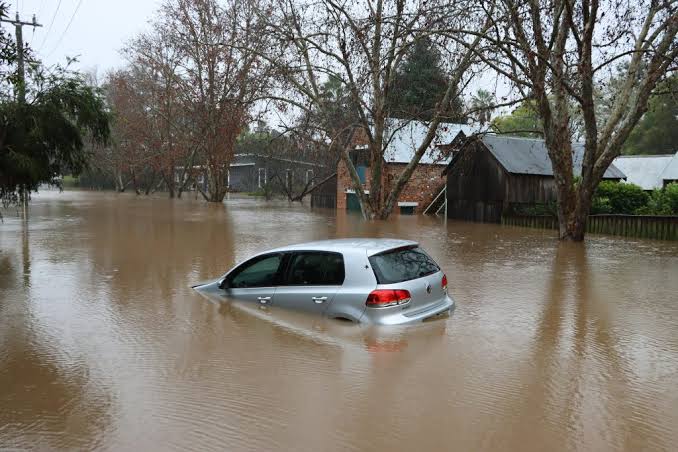
A three-story residential complex located near an inland waterway suffers storm surge flooding combined with wind-driven rain. Water enters the lower units, while soffit failures on the top floor allow moisture into the attic assembly.
Root Causes and Escalation Factors
-
Exterior HVAC units mounted at grade were submerged, leading to total electrical short circuits.
-
Aluminum soffits detached due to improper fastener spacing, exposing attic insulation to driven rain.
-
Emergency remediation contractors charged high surge rates due to a lack of pre-negotiated service contracts.
Mitigation and Financial Realignment
-
Elevate mechanical pads 3 feet above expected flood elevations using masonry piers.
-
Re-anchor soffits using high-wind track systems with closer fastener intervals.
-
Establish pre-event master service agreements with local restoration contractors to freeze labor rates.
Planning, Cost, and Resource Dynamics
Emergency repair costs vary significantly based on timing, material supply chains, and local labor availability. Pre-storm preparation investments generally cost far less than post-storm reconstruction work.
Labor shortages after a major hurricane often increase standard trade fees by 30 to 100 percent. Contracting companies face higher logistics, fuel, and material costs, which are passed directly to property owners.
Establishing clear maintenance budgets before storm season allows owners to make planned upgrades at standard market rates rather than paying premium emergency prices.
Tools, Strategies, and Support Systems
Essential Retrofit Strategies
-
Sealed Roof Deck Application: Applying liquid-applied membranes or self-adhered tapes over roof sheath joints prevents water entry if shingles fail.
-
High-Wind Load Garage Doors: Installing doors rated for local wind loads protects large building openings from structural pressure failure.
-
Impact-Resistant Fenestration: Fitting openings with laminated glass systems protects against flying debris without requiring temporary prep work.
Administrative Systems
Detailed photo and video documentation of all structural assets, interior spaces, and mechanical systems provides clear baseline records for insurance adjusters. Digital copies of insurance policies, building plans, and maintenance logs should be stored securely in off-site cloud storage.
Keeping an updated roster of licensed contractors ensures fast communication when repairs are needed.
Risk Landscape and Failure Modes
Understanding common structural and financial risks helps property owners avoid compounding repair costs.
Physical Risks
-
Fastener Corrosion: Salt spray corrodes standard zinc-plated fasteners, reducing hurricane strap capacity.
-
Unbraced Gable End Walls: High wind pressures can collapse tall end walls into interior living spaces.
-
Inadequate Drainage Capacity: Clogged roof drains and downspouts cause water to pond, risking roof deck failure under excess weight.
Administrative Risks
-
Under-Insured Building Values: Coverage limits that fail to track rising local construction costs leave owners responsible for large repair balances.
-
Co-Insurance Penalties: Failing to maintain required insurance-to-value ratios can trigger percentage-based payout reductions during partial loss claims.
-
Unlicensed Emergency Labor: Hiring unverified out-of-state contractors can result in non-compliant repairs and voided manufacturer warranties.
Governance, Maintenance, and Long-Term Adaptation
Preventive Maintenance Schedule
Regular inspections help maintain structural integrity and identify small issues before they turn into costly storm repairs.
-
Bi-Annual Roof Inspections: Check for loose flashing, deteriorating underlayment, missing sealants, and degraded vent stacks.
-
Quarterly Opening Checks: Lubricate shutter tracks, inspect window weatherstripping, and verify garage door locking mechanisms.
-
Annual Structural Reviews: Examine visible rafter connections, inspect exposed masonry for stress cracking, and confirm hurricane clip integrity.
Measurement, Tracking, and Evaluation
Key Operational Metrics
Evaluating recovery success requires tracking key performance metrics before and after storm events.
Documentation Examples
Comprehensive records help substantiate insurance claims and streamline contractor bidding.
Common Misconceptions and Oversimplifications
Misconception 1: “Taping Windows Prevents Glass Breakage”
Taping glass does not increase window strength. It creates large, dangerous shards when the glass shatters under wind pressure. Laminated impact glass or engineered shutters remain the only reliable opening protection methods.
Misconception 2: “New Buildings Do Not Suffer Storm Damage”
While newer homes follow updated building codes, poor installation practices, defective materials, or improper maintenance can still cause structural failures. Regular inspections remain essential regardless of building age.
Misconception 3: “Flood Insurance Covers All Water Damage”
Standard flood insurance policies cover rising surface waters, while traditional hazard policies cover wind-driven rain that enters through a fresh storm breach. Distinguishing between these water damage types is critical when filing claims.
Ethical, Practical, and Contextual Considerations
Balancing immediate financial constraints with long-term safety requires thoughtful planning. Choosing cheap, non-compliant repairs after a storm may provide short-term relief, but it often leads to future structural failures.
Similarly, navigating insurance negotiations demands accurate damage reporting without inflating initial repair estimates.
Property owners must also consider how local building choices affect neighboring structures. Unsecured debris, detached roof components, or failing perimeter fences can turn into dangerous airborne missiles during high-wind events. Proactive property maintenance contributes directly to overall community resilience.
Conclusion
Understanding how to reduce hurricane repair expenses requires combining physical retrofits, administrative readiness, and structured financial planning. Property owners who actively harden building envelopes, maintain detailed damage records, and understand their policy terms manage recovery costs far more effectively than those relying on post-storm adjustments.
By investing in continuous physical mitigation and systematic property management, owners protect structural assets, speed up recovery times, and maintain long-term financial stability against severe weather risks.