How to Plan Beach House Upkeep on a Budget: Cost-Effective Coastal Maintenance & Risk Allocation Guide
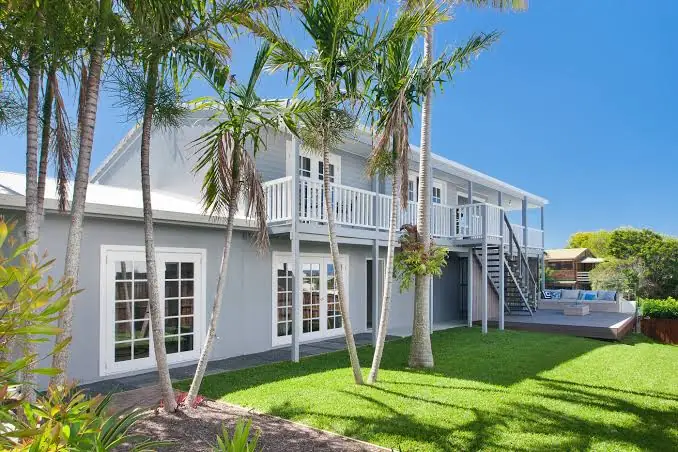
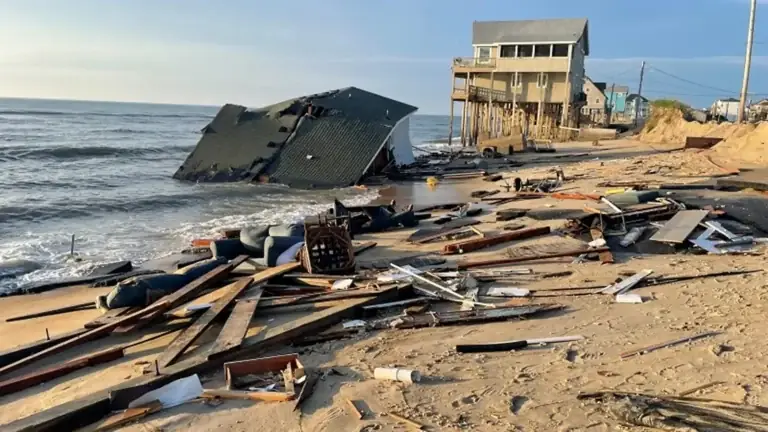
Coastal residential properties exist inside highly aggressive microclimates. Managing maintenance expenses for a seaside residence requires a methodical financial framework distinct from inland property management. Property owners often treat coastal maintenance as a series of reactive home repairs. However, learning how to plan beach house upkeep on a budget requires analyzing material degradation rates, salt air chemistry, and moisture migration pathways across the entire building enclosure. Airborne ocean salts, continuous solar radiation, and high humidity act together to degrade structural components rapidly.
Achieving cost-effective property management requires balancing deferred maintenance risks against available cash flow. When routine tasks like freshwater rinses or sealant touch-ups are ignored, minor degradation spreads quickly into major structural repairs. Understanding how to plan beach house upkeep on a budget requires property owners to establish clear maintenance priorities based on component vulnerability rather than cosmetic preference. Treating non-structural cosmetic upgrades as primary investments while ignoring exterior envelope care leads to premature building failure.
Financial efficiency relies on proactive prevention rather than expensive emergency interventions. A structured upkeep framework categorizes tasks by risk severity, allocating limited capital toward preventing water penetration, structural corrosion, and equipment breakdown. Owners must recognize that coastal maintenance cannot be completely avoided. Costs can only be managed, scheduled, and reduced through disciplined routine care and smart material selection.
Salt Air Chemistry and Corrosion Rates
Marine air carries micro-droplets of ocean water containing dissolved sodium chloride and magnesium ions. When these droplets land on exterior building surfaces, water evaporates, leaving behind concentrated salt crystals. These hygroscopic deposits pull moisture directly from ambient air, creating a continuous corrosive film on metal flashings, fasteners, and HVAC coils.
The Mechanics of Moisture Infiltration
Coastal environments feature high vapor pressure levels that drive moisture into building assemblies. Wind forces water droplets through tiny cracks in siding, window casings, and roof trim. Once trapped inside wall cavities, moisture causes wood rot, degrades thermal insulation, and corrodes hidden structural framing anchors.
Contextual Background of Marine Environmental Stress
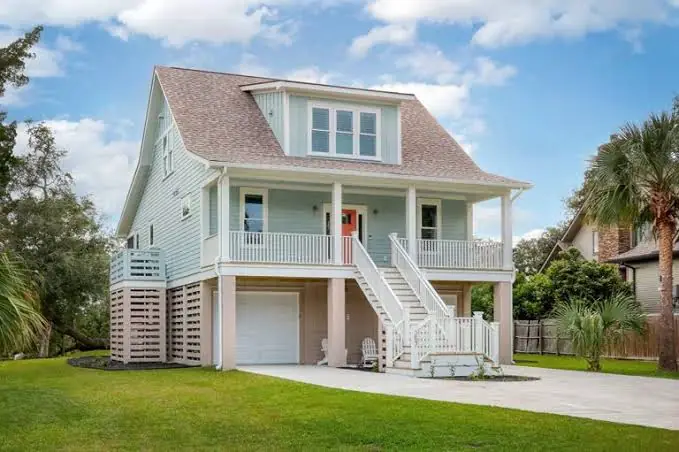
Coastal construction methods have evolved significantly alongside shifting building codes and material science. Early seaside cottages used simple design strategies, including elevated foundations, wide wrap-around porches, and naturally durable woods like red cedar or cypress. These early structures accepted gradual weathering, relying on natural cross-ventilation to dry out damp building materials. While these simple designs were inexpensive to build, they required frequent painted finish updates and continuous manual care.
The late twentieth century introduced modern building materials, including synthetic siding, engineered wood products, and complex multi-pane window assemblies. These materials promised lower maintenance demands while allowing larger, more complex building designs right on the oceanfront. However, modern coastal homes feature complicated roof shapes and hidden wall joints that trap salt spray and moisture, creating hidden corrosion points.
Rising material costs and labor rates have made traditional reactive maintenance expensive for middle-income property owners. Modern coastal upkeep demands a calculated approach. Property managers must combine low-cost preventative habits with durable, high-performance materials installed at critical envelope junctions.
Material Transition and Corrosion Vulnerabilities
Replacing solid copper or brass building components with cheaper plated steel fasteners creates long-term structural risks. Dissimilar metals exposed to wet salt air trigger galvanic corrosion, breaking down hidden fasteners long before surface building cladding shows visible damage.
Evolution of Coastal Code Requirements
Modern coastal building regulations require reinforced structural connections, elevated flood foundations, and high-wind window assemblies. While these code updates improve building safety during severe storms, they increase baseline repair costs, making proactive preventative upkeep essential for staying within budget.
Conceptual Frameworks and Mental Models
The Risk-Ranked Maintenance Pyramid
The risk-ranked maintenance framework separates property tasks into four distinct structural tiers: envelope water protection, structural integrity, mechanical systems, and interior cosmetics. Budget allocation must flow strictly from bottom to top, prioritizing foundational envelope protection over interior cosmetic improvements.
The Cost-to-Intervention Decay Curve
Building component deterioration accelerates exponentially over time if left unaddressed. Simple low-cost actions, such as rinsing outdoor coils or caulking window seams, prevent rapid component decay. Delaying minor maintenance moves components into expensive repair or complete replacement phases.
The Sacrificial Anode Mental Model
Certain coastal building elements are designed to weather and wear out intentionally, protecting underlying structural assemblies. Treating items like protective paints, sacrificial zinc strips, and caulk joints as consumable protective layers ensures primary building frames remain undamaged over time.
Maintenance Priority Framework Comparison
Key Categories of Budget-Conscious Interventions
Scheduled Freshwater Rinsing Protocols
Regularly rinsing exterior building surfaces with fresh water removes salt deposits before they cause metal corrosion. Using low-pressure garden hoses on condenser coils, deck hardware, window frames, and light fixtures extends material lifespan at negligible cost.
DIY Protective Surface Coatings
Applying specialized anti-corrosion sprays, marine-grade waxes, and oil-based wood sealers creates a protective layer against salt air. Property owners can handle these applications themselves, saving on professional labor costs.
Targeted Building Air Sealing
Sealing exterior wall penetrations, door frames, and window casings stops moist sea air from entering wall assemblies. Simple tube caulk and weatherstripping upgrades provide low-cost protection against hidden structural rot.
Strategic Hardware Upgrades
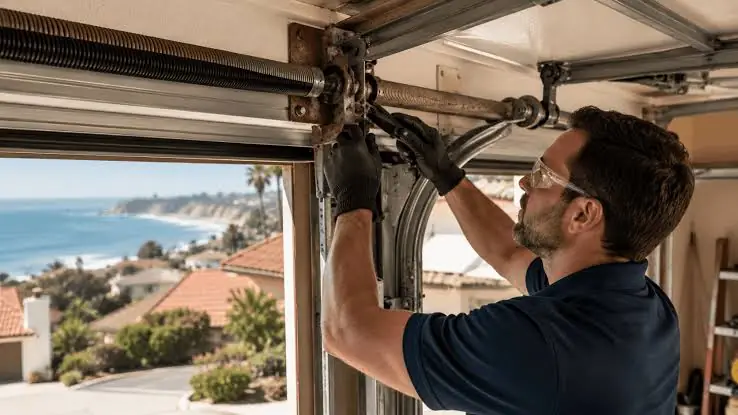
Replacing corroded exterior screws, hinges, and brackets with 316-grade stainless steel or coated marine hardware prevents rust stains and structural weakness. Upgrading key fasteners gradually keeps hardware replacement affordable.
Budget Upkeep Strategy Options

Detailed Real-World Scenarios and Edge Cases
Oceanfront Decks Subjected to High Wind and Salt Spray
Exterior wooden and composite decks experience heavy weathering from sunlight, wind-driven sand, and wet salt deposits. Unprotected deck fasteners rust quickly, while wooden deck boards split and warp.
Property owners can extend deck lifespan affordably by replacing rusted deck screws with stainless steel fasteners and applying transparent oil-based wood sealers annually. Rinsing deck surfaces after heavy ocean breezes flushes away abrasive sand and salt, delaying expensive structural floor deck rebuilds.
HVAC Condenser Coils Exposed to Marine Air
Outdoor air conditioning units near ocean shorelines suffer rapid aluminum fin pitting and copper tube corrosion. Salt buildup isolates coil metal, reducing cooling performance and driving up electrical utility bills.
Washing outdoor condenser coils monthly with low-pressure fresh water removes accumulated salt without damaging fragile aluminum fins. Applying specialized aerosol corrosion inhibitors once or twice a year adds extra protection, keeping HVAC units running efficiently without expensive early replacements.
Planning, Cost, and Resource Dynamics
Keeping a beach house well-maintained on a budget requires balancing predictable annual care expenses against unexpected structural repair costs. Planning maintenance schedules around seasonal weather patterns prevents small issues from turning into major financial emergencies.
Financial Upkeep Projections
Tools, Strategies, and Tactical Support Systems
Essential Low-Cost Care Toolkits
Maintaining a beach house efficiently does not require expensive commercial machinery. A complete DIY coastal toolkit includes a quality hose nozzle with pressure adjustments, soft-bristle wash brushes, pump sprayers for protective coatings, high-grade caulking guns, and basic hand tools with stainless steel construction.
Self-Adhered Flashing Tapes
Installing self-adhering butyl flashing tapes around window frames and door sills creates a watertight seal that blocks wind-driven rain. These affordable tapes protect wood framing under siding, preventing costly water damage repair.
Sacrificial Zinc Strips for Roofs
Mounting zinc or copper metal strips along roof ridges releases protective ions whenever rain flows down roof slopes. This simple modification stops algae, moss, and fungal growth on roof shingles, extending roof lifespan affordably.
Risk Landscape and Environmental Failure Modes
Failing to maintain coastal building components leads to compounding structural damage and high repair bills. Minor moisture leaks and salt corrosion spread quickly across connected building assemblies.
When window sealant joints fail, water leaks down inside wall cavities unnoticed. Damp framing lumber loses structural strength as wood rot sets in, while hidden steel wall fasteners corrode and break. By the time wall paint bubbles or drywall sags indoors, structural framing repairs will require major financial investments.
Governance, Maintenance, and Long-Term Adaptation
Keeping coastal maintenance within budget requires consistent care schedules. Setting up seasonal property checklists helps identify material wear early, allowing property owners to complete repairs before minor issues escalate.
Seasonal Upkeep Schedules
Property owners should establish clear bi-annual inspection routines. Spring checks focus on identifying winter storm damage, re-sealing window joints, and prepping cooling systems. Autumn inspections focus on securing exterior building hardware, touching up protective wood stains, and checking roof flashings ahead of winter rains.
Long-Term Material Adaptation
As building elements reach the end of their usable life, replacing them with coastal-ready materials reduces long-term maintenance demands. Choosing composite trim boards, fiber-cement siding, and solid stainless fasteners minimizes future repair work.
Measurement, Tracking, and Evaluation
Monitoring home component condition helps property owners spend maintenance funds wisely. Tracking minor material wear over time prevents unexpected emergency repairs and keeps annual maintenance budgets balanced.
Leading and Lagging Condition Indicators
Leading indicators highlight emerging maintenance needs before serious damage occurs. Key signals include fine surface rust on screws, hairline caulk cracks, flaking wood finishes, and white salt buildup on fixtures. Lagging indicators include active water leaks, sagging deck floorboards, soft window trim, and complete HVAC compressor breakdowns.
Structured Home Logbooks
Maintaining a dedicated property logbook helps track maintenance tasks, paint formulas, fastener sizes, and repair dates. Documenting completed tasks ensures regular care happens on schedule and provides helpful records for insurance purposes.
Common Misconceptions and Oversimplifications
“Pressure Washing Is the Best Way to Clean Coastal Exteriors”
High-pressure water spraying forces salt water deep into wood pores, wall vents, and window seals. High pressure damages wood fibers and strips protective finishes. Low-pressure fresh water rinsing combined with soft brushing cleans salt spray safely without causing structural damage.
“Stainless Steel Hardware Never Rusts”
Standard 304-grade stainless steel rusts over time when exposed to ocean air. Coastal environments require 316-grade stainless steel, which contains molybdenum to resist chloride pitting. Using the correct metal grade prevents hardware rust and keeps building connections strong.
Contextual and Structural Considerations
Distance from active surf breaks, prevailing wind directions, and surrounding terrain influence property maintenance needs. Oceanfront homes take the full force of salt spray and wind, requiring monthly maintenance checks. Properties set back behind dunes or coastal trees face lower salt exposure, allowing longer maintenance intervals.
Customizing care routines to match specific property exposure avoids unnecessary work. Tailoring upkeep schedules to actual environmental stress keeps home maintenance costs under control while ensuring complete structural protection.
Comprehensive Coastal Asset Preservation Synthesis
Maintaining a coastal property on a budget requires consistent care, smart material choices, and clear maintenance priorities. Relying on deferred maintenance or expensive emergency repairs quickly overwhelms home budgets. Understanding how to plan beach house upkeep on a budget allows property owners to protect their investments through simple, routine actions. Combining freshwater rinses, DIY protective coatings, timely joint sealing, and risk-ranked repairs preserves home value and structural strength for years to come.