How to Reduce Coastal Cooling Bills: Coastal HVAC Efficiency & Thermal Load Strategy Guide
Managing energy expenditures in seaside structures requires a unique approach compared to inland building management. Marine environments create distinct thermodynamic pressures, combining high moisture levels, intense solar radiation, and airborne salt. Standard cooling tactics often fall short under these conditions. Homeowners frequently focus on air conditioner settings without considering how coastal air humidity impacts heat transfer.
Learning how to reduce coastal cooling bills involves managing both heat and airborne water vapor. Coastal air holds substantial moisture, which demands significant energy from cooling systems to condense water out of the atmosphere. When moisture control fails, indoor temperatures feel warmer than they are, prompting occupants to lower thermostat settings. This adjustment increases energy consumption without addressing the underlying moisture level.
Corrosion from airborne salt spray also degrades external equipment components rapidly. Unprotected condenser coils suffer from reduced thermal transfer efficiency within a few seasons of operation. As metal fins degrade, system compressors run longer cycles to dissipate indoor heat, driving utility expenses higher. A successful energy management plan must balance mechanical care, air sealing, and latent load control.
Thermal Dynamics of Seaside Microclimates
Seaside air masses possess elevated specific humidity levels due to continuous ocean evaporation. This high moisture content absorbs thermal energy, maintaining elevated temperatures well into the evening hours. Air conditioning systems operating near coastlines must work harder to extract water vapor before sensible air cooling occurs effectively.
Corrosion Mechanisms in Marine Equipment
Salt particles drift inland on ocean breezes, settling directly onto external heat exchangers and mechanical housings. Galvanic action accelerates between dissimilar metals when exposed to salty moisture, creating insulating oxide layers on copper tubes and aluminum fins. This structural degradation restricts airflow, increases internal system operating pressures, and elevates daily electrical draw.
Contextual Background of Coastal Thermal Loads
Residential architecture along coastlines has changed significantly over past generations. Historic seaside cottages relied on passive cooling designs, featuring open floor plans, wide wrap-around porches, and high ceilings to facilitate natural air circulation. Drafty construction allowed moisture to move freely through wall assemblies without getting trapped. While these structures consumed limited electricity, indoor spaces remained subject to outdoor humidity fluctuations.
Modern coastal development shifted toward sealed indoor environments with expanded glass facades to maximize scenic water views. Large glass installations introduce substantial solar radiation into living zones. Sealed wall assemblies lock in thermal energy, while air conditioning units maintain precise indoor temperature targets.
However, standard mechanical design guidelines frequently overlook the specific challenges of coastal microclimates. Conventional sizing calculations often focus on sensible heat reduction, leading to oversized equipment installations. Oversized air conditioners cool indoor spaces rapidly but shut off before removing sufficient moisture, leaving air feeling humid and clammy.
Material Transition and Moisture Trapping
Synthetic exterior cladding, vinyl wraps, and impermeable interior paints prevent moisture movement through wall assemblies. When humid outdoor air infiltrates these tight envelopes through unsealed penetrations, water vapor condenses inside wall cavities, degrading insulation performance and reducing thermal resistance.
Evolution of Marine HVAC Technologies
Early coastal cooling systems relied on standard residential equipment, which required frequent replacement due to rapid salt corrosion. Contemporary marine-grade designs feature electro-coated condenser coils, stainless steel hardware, and variable-capacity scroll compressors engineered to withstand continuous coastal exposure.
Conceptual Frameworks and Mental Models
The Dual-Load Cooling Framework
Total cooling demand consists of sensible heat load and latent heat load. Sensible heat represents dry air temperature changes, whereas latent heat represents energy required to condense water vapor out of the atmosphere. In coastal zones, latent heat can account for up to half of total system energy requirements.
The Marine Envelope Degradation Model
Building enclosures in marine environments degrade faster than inland structures due to constant exposure to moisture, salt, and thermal expansion. As air barrier membranes break down, humid air enters living spaces through envelope cracks, raising indoor moisture levels and forcing air conditioning units to run longer cycles.
The Lifecycle Thermal Transfer Balance
Cooling efficiency relies on continuous heat transfer from indoor spaces to the outdoor environment. Salt buildup on outdoor coils acts as a thermal barrier, hindering effective heat release. Keeping heat transfer pathways clean ensures air conditioning systems maintain designed seasonal energy efficiency ratings over time.
Coastal Efficiency Matrix
Key Interventions and Efficiency Categories
Specialized Marine-Coated HVAC Equipment
Standard cooling systems degrade quickly in salty coastal air. Installing equipment with factory-applied anti-corrosion coatings protects aluminum fins and copper tubing from chemical deterioration. These treatments preserve heat transfer efficiency and extend equipment operating lifespan.
Variable-Speed Inverter Compressor Integration
Fixed-speed air conditioners cycle on and off at maximum power, which limits moisture extraction capability. Variable-speed units run at low, continuous speeds to remove humidity consistently while consuming less electricity.
Exterior Shading and Architectural Controls
Preventing solar radiation from reaching window glass reduces heat buildup before it enters living spaces. Exterior awnings, deep roof overhangs, and operable louvers block direct sunlight, lowering thermal loads on cooling equipment.
Comprehensive Envelope Air Sealing
Sealing gaps, window frames, and wall penetrations prevents warm, humid sea air from entering the home. Effective air barriers reduce baseline dehumidification needs and help maintain consistent indoor temperatures.
Coastal Efficiency Options Comparison
Detailed Real-World Scenarios and Edge Cases
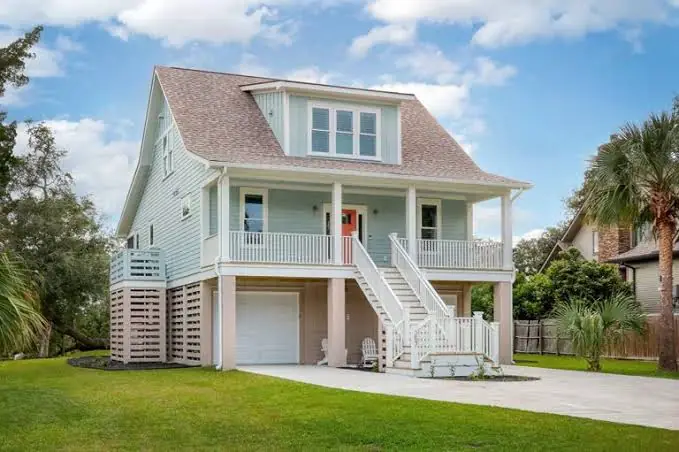
Oceanfront Properties Exposed to Heavy Salt Spray
Structures built near active surf lines experience continuous salt spray and strong winds. Standard air conditioning units installed in these locations often suffer severe coil corrosion within three years. Operating degraded equipment increases monthly energy bills by requiring longer cooling cycles.
Protecting these installations requires placing outdoor units behind protective windbreaks and applying specialized anti-corrosion coatings to coil assemblies. Rinsing outdoor coils regularly with fresh water removes salt buildup, preserving heat transfer efficiency and helping maintain lower monthly cooling expenses.
High-Humidity Estuary and Marshland Environments
Properties located along shallow bays or coastal marshes face high moisture levels with limited ocean breezes. These calm, humid environments generate high latent cooling demands while sensible heat loads remain moderate.
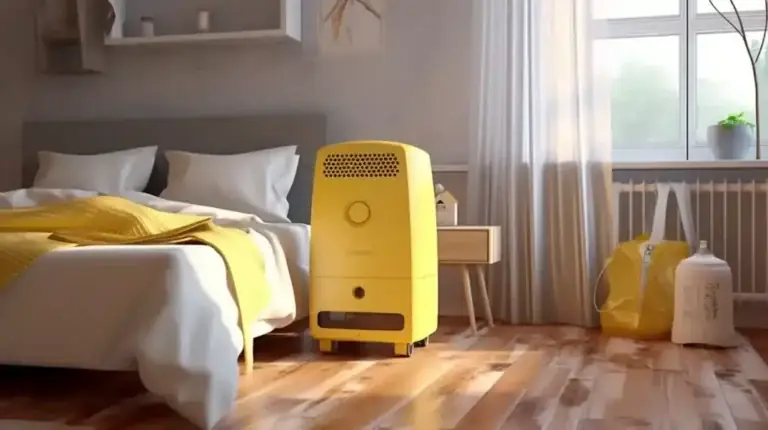
Relying solely on air conditioning to manage moisture in these settings often leads to over-cooled, clammy indoor spaces. Installing dedicated whole-home dehumidifiers handles water vapor extraction efficiently, allowing main cooling units to run less frequently at higher, energy-saving thermostat settings.
Planning, Cost, and Resource Dynamics
Reducing cooling costs in marine environments requires balancing initial equipment investments with ongoing operational expenses. High-performance systems involve higher upfront costs but deliver long-term savings through reduced energy usage and extended service life.
Financial Investment Projections
Tools, Strategies, and Support Systems
Smart Dehumidification Controls
Modern control platforms monitor both indoor air temperature and relative humidity continuously. These systems adjust compressor speeds and fan operation based on indoor dew point targets, optimizing energy use while maintaining comfortable humidity levels.
High-Performance Solar Control Window Films
Applying specialized multi-layer window films reflects solar heat without blocking ocean views. These treatments reduce cooling demand through large glass surfaces during peak sunlight hours.
Dedicated Energy Recovery Ventilators
Ventilation systems designed for humid climates extract heat and moisture from incoming fresh air using outgoing indoor exhaust air. This process provides fresh ventilation without increasing indoor moisture or thermal loads.
Risk Landscape and Environmental Failure Modes
Failing to manage coastal environmental conditions leads to compounding structural issues and escalating utility expenses. Thermal performance declines quickly when salt corrosion, moisture intrusion, and equipment wear remain unaddressed.
Corroded heat exchanger coils force compressors to operate at elevated temperatures and pressures. This additional mechanical stress increases electrical energy consumption and accelerates internal component failure, often leading to costly repairs.
High indoor moisture levels also compromise building insulation performance. Damp fiberglass batts lose their ability to resist heat transfer, allowing exterior thermal energy to penetrate living spaces easily and driving up daily cooling requirements.
Governance, Maintenance, and Long-Term Adaptation
Maintaining cooling efficiency near coastlines requires structured routine maintenance. Equipment exposed to marine environments needs frequent inspection and proactive care to prevent performance loss.
Seasonal Inspection Protocols
Establishing clear maintenance schedules ensures protective coatings remain intact and mechanical systems operate efficiently. Routine steps should include washing outdoor equipment with fresh water, inspecting electrical connections for corrosion, clearing condensate drain lines, and verifying window weather-strip integrity.
Adaptation Timelines
System performance goals should adjust as equipment ages and climate conditions change. Updating air sealing around building penetrations and servicing shading components preserves home efficiency over time.
Measurement, Tracking, and Evaluation
Evaluating efficiency improvements requires monitoring energy usage and indoor comfort metrics over time. Tracking key data points helps identify system performance issues early, ensuring long-term energy savings.
Leading and Lagging Efficiency Metrics
Leading indicators offer early insights into equipment operation before energy bills arrive. Relevant metrics include compressor operating hours, indoor humidity stability, and temperature drop across cooling coils. Lagging indicators include monthly electrical bill totals and overall annual repair expenses.
Structured Diagnostic Data Logging
Keeping detailed records of system performance helps identify gradual efficiency losses caused by coil corrosion or air leakage. Homeowners should track indoor temperature, relative humidity, outdoor weather conditions, and monthly power consumption.
Common Misconceptions and Oversimplifications
“Lowering Thermostat Settings Cools Spaces Faster”
Air conditioning systems deliver cooling at a continuous rate regardless of thermostat settings. Setting a thermostat lower than desired forces the system to run longer cycles, consuming excess energy without accelerating room cooling.
“Bigger Cooling Equipment Delivers Superior Performance”
Oversized cooling units cool indoor air rapidly but shut off before extracting sufficient moisture. This leaves indoor spaces feeling cold and humid, prompting lower thermostat settings that increase overall energy use.
Practical and Structural Considerations
Local topography, building orientation, and distance from active surf lines influence home cooling requirements. Properties built directly on beach dunes face higher salt spray exposure and wind-driven moisture compared to homes located behind protective vegetation or coastal ridges.
Selecting effective efficiency strategies requires tailoring solutions to specific property conditions. Oceanfront homes benefit most from specialized equipment coatings and protective windbreaks, while sheltered inland coastal properties gain greater efficiency through envelope sealing and targeted shading.
Comprehensive Coastal Energy Strategy Synthesis
Lowering cooling bills in marine environments requires a balanced approach that addresses moisture control, equipment protection, and solar heat reduction. Relying solely on standard thermostats or basic equipment upgrades rarely produces lasting efficiency gains in high-humidity coastal settings.
Understanding how to reduce coastal cooling bills allows homeowners to implement targeted strategies that improve comfort while reducing energy use. Combining marine-grade equipment, variable-speed operation, effective envelope sealing, and routine fresh water maintenance protects cooling investments and keeps energy costs under control for years to come.