Budget Beach House Renovation Strategy: Planning & Cost Control
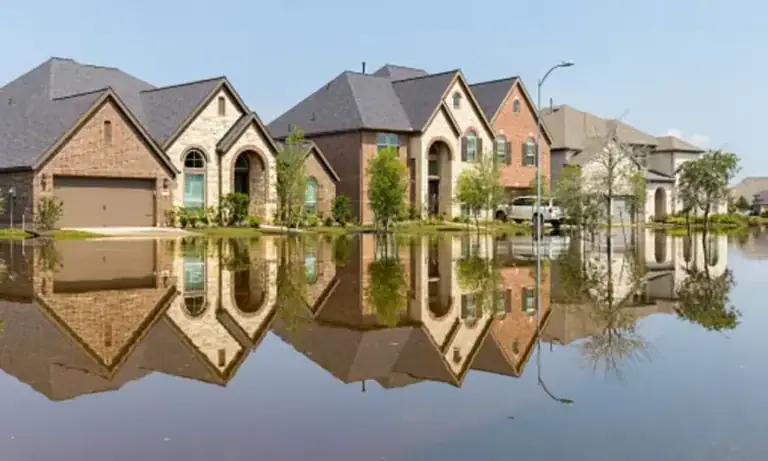
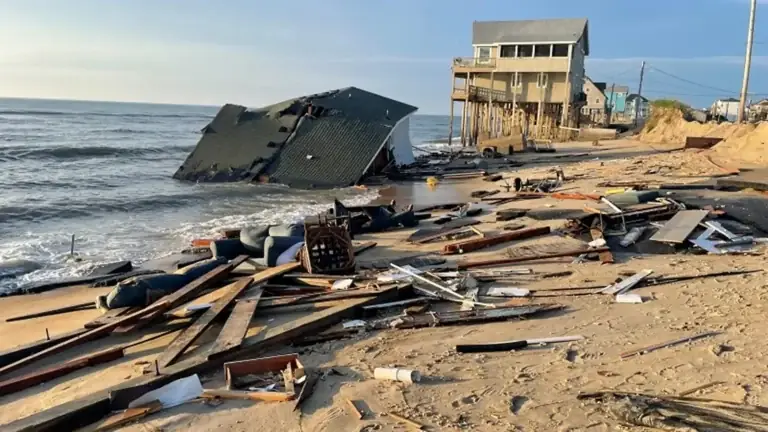
Coastal residential renovations present distinct material, environmental, and financial challenges compared to inland projects. High atmospheric salt concentrations, continuous humidity, wind-driven moisture, and strict coastal zoning rules combine to accelerate structural decay and increase trade labor costs. Planning a coastal remodel on a budget requires shifting focus from standard aesthetic upgrades to durable material performance and environmental management.
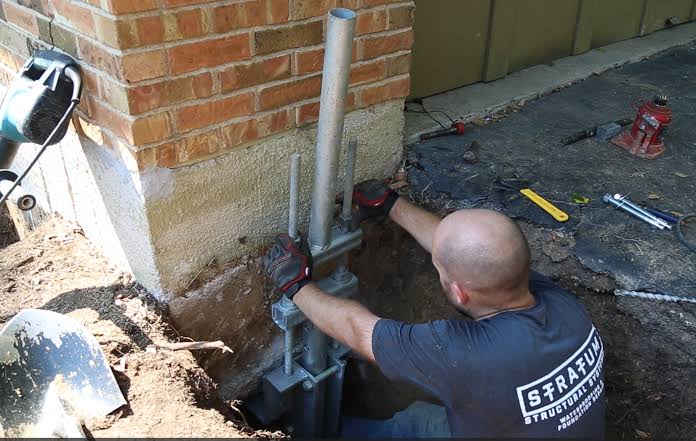
Budget allocations in coastal environments often suffer from unforeseen scope growth. Surface repairs frequently reveal hidden salt damage, subfloor rot, or corroded structural fasteners behind drywall and under subfloors. Property owners who treat coastal remodeling as a basic cosmetic refresh frequently face budget overruns when environmental decay demands structural repair.
Achieving financial control while modernizing a coastal home requires balancing long-term durability against short-term material expenses. Sacrificing material grade in high-exposure zones like roofs, decks, and exterior wall cladding inevitably leads to early structural failure and repeated maintenance expenses. True cost efficiency stems from selecting high-performance, weather-resistant materials for exterior surfaces while applying cost-saving solutions to low-exposure interior spaces.
Understanding “How to Plan Beach House Renovation on a Budget”
The Multi-Perspective Renovation Dynamic
Contractors evaluate coastal renovation budgets based on site accessibility, seasonal weather windows, trade labor surcharges, and coastal code requirements. Structural engineers prioritize corrosion-resistant metal fasteners, moisture-barrier integrity, wind-load ratings, and foundation elevation compliance.
Interior designers focus on light distribution, durable low-maintenance finishes, sand-resistant flooring, and space efficiency. Balancing these different perspectives ensures that money spent on cosmetic upgrades does not compromise building envelope performance or structural longevity.
Common Oversimplifications and Risks
Property owners frequently assume interior design strategies from standard suburban homes transfer smoothly to coastal properties. Standard interior materials, such as cheap fiberboard cabinetry, low-grade iron hardware, and standard carpet, deteriorate rapidly when exposed to humid sea air.
Understanding how to plan beach house renovation on a budget means recognizing that cheap materials often lead to frequent replacements. Investing in moisture-resistant materials for key structural zones protects capital over time.
Deep Contextual Background
Evolution of Coastal Building Standards
Coastal home construction has changed substantially over the past several decades. Older beach cottages relied on simple wood framing, open foundation piers, and single-pane windows that permitted continuous natural ventilation.
Modern coastal building regulations require strict adherence to wind-borne debris rules, elevated flood levels, and energy-efficient building envelopes. Upgrading older structures to meet current codes often increases structural framing and mechanical costs during renovations.
Modern Economic Realities
Rising material prices, specialized trade labor shortages, and changing insurance underwriting standards have altered coastal renovation economics. Insurance companies increasingly require proof of wind-mitigation upgrades, secondary water barriers, and impact-resistant openings before issuing coverage.
Consequently, modern budget strategies must align physical material choices with insurer guidelines to manage ongoing property ownership expenses.
Conceptual Frameworks and Mental Models
The Sacrificial vs. Permanent Layer Model
This framework categorizes building components into sacrificial layers and permanent assemblies based on weather exposure. Sacrificial layers include exterior paint coatings, deck stain, caulking seams, and screen enclosures that absorb weather impact and require routine replacement.
Permanent assemblies comprise structural floor joists, concrete footings, window bucks, and wall framing units. Protecting permanent assemblies with high-grade barriers prevents expensive structural repairs down the road.
The Moisture-Microclimate Cycle
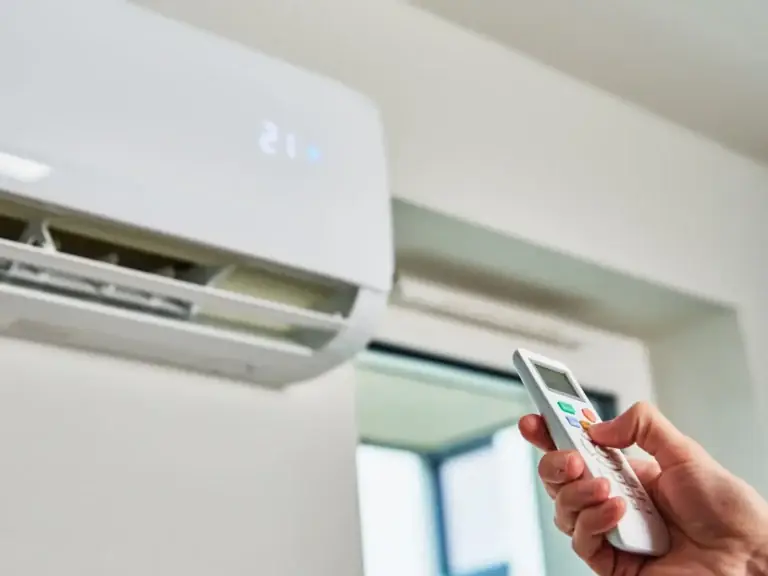
The Moisture-Microclimate model evaluates how water vapor moves through coastal homes under heavy air conditioning loads. Warm, humid exterior air pushes inward toward cooler interior spaces, condensing within wall cavities if vapor retarders are installed incorrectly.
Managing interior relative humidity through dedicated dehumidification systems prevents mold proliferation and extends the life of interior wall finishes.
The Lifecycle Value Framework
The Lifecycle Value framework evaluates renovation decisions by comparing initial material costs against total lifetime maintenance expenses. Standard zinc-plated hardware carries low upfront costs but requires replacement every two years due to ocean salt corrosion.
Stainless steel or bronze hardware carries higher initial costs but functions reliably for decades. Choosing durable hardware upfront lowers long-term maintenance costs for coastal property owners.
Key Categories of Coastal Renovation and Material Trade-Offs
Building Envelope Protection
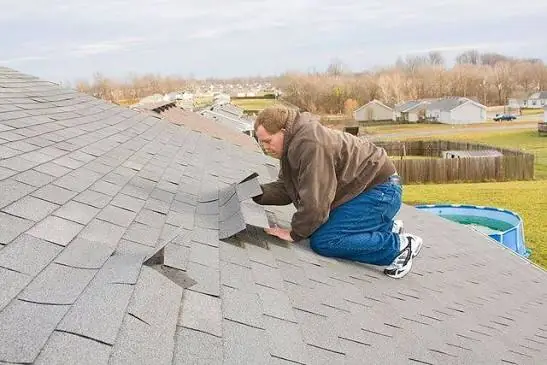
Maintaining a sealed exterior building envelope prevents wind-driven rain from penetrating structural framing cavities. Installing self-adhered flashing tapes around window bucks, replacing rotted siding trim with cellular PVC, and renewing roof underlayment protect structural framing.
Selecting weather-resistant exterior cladding materials limits recurring repainting and sealing expenses.
Opening Protection Options
Windows and exterior doors represent vulnerable entry points during severe coastal storms. Installing certified impact-rated glass units eliminates the need for temporary plywood shutters while enhancing thermal performance and lowering sound transmission.
While impact glass requires a higher initial investment, it saves money over time by reducing insurance premiums and eliminating annual shutter setup labor.
Flooring and Interior Surface Selection
Interior flooring in beach houses must withstand fine sand abrasion, high foot traffic, wet swim gear, and persistent humidity. Luxury vinyl plank flooring and non-slip porcelain tile offer water resistance and simple cleanup at reasonable price points.
Avoiding solid hardwood or plush carpeting prevents cupping, moisture warping, and deep sand accumulation within floor assemblies.
Interior Renovation Trade-Off Logic
Budget-conscious homeowners can save on interior updates by preserving existing cabinet boxes and replacing only doors, drawer fronts, and hardware. Solid wood cabinet frames can be refinished with high-durability enamel paint, avoiding the high cost of custom cabinetry replacements.
Detailed Real-World Scenarios
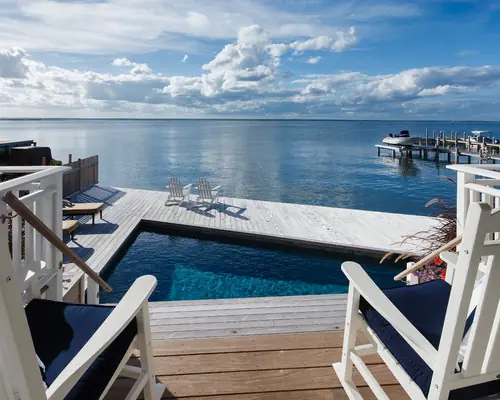
Scenario A: Updating a 1970s Elevated Beach Cottage
A single-family elevated beach cottage requires updates to its interior kitchen, bath spaces, and aging single-pane aluminum windows. The renovation budget must accommodate structural framing repairs identified near leaking sliding glass doors.
Root Causes and Hidden Defects
-
Water leaked past sliding door sills over many years, rotting subfloor framing joists.
-
Unsealed single-pane windows allowed moisture into wall cavities, causing drywall degradation.
-
High indoor summer humidity warped original hollow-core interior doors.
Budget Adjustments
-
Reallocate funds from custom kitchen cabinets to repair structural floor joists and subflooring.
-
Install stock vinyl impact-rated window units to secure the building envelope.
-
Refinish existing wood cabinet frames and install solid-core interior doors to resist warping.
Scenario B: Revitalizing a Ground-Level Coastal Condo
A ground-level coastal condominium unit needs a complete interior update to endure heavy guest foot traffic and high ambient humidity. The interior concrete slab sits near ocean water tables, creating persistent subgrade moisture vapor drives.
Root Causes and Hidden Defects
-
Organic carpet materials trapped sand, moisture, and odors across living areas.
-
Low-grade iron cabinet hinges rusted completely, binding doors and marring cabinet faces.
-
High moisture vapor emission rates through the concrete slab loosened original vinyl tile adhesives.
Budget Adjustments
-
Apply a liquid moisture vapor barrier over the concrete slab before installing luxury vinyl plank flooring.
-
Replace all interior hardware with 316-grade stainless steel or solid brass components.
-
Use moisture-resistant drywall and anti-microbial interior primer paints throughout living quarters.
Planning, Cost, and Resource Dynamics
Renovation costs in coastal markets fluctuate based on seasonal weather patterns, regional trade availability, and supply chain logistics. Establishing a clear budget contingency covers unexpected structural decay uncovered during demolition.
Trade labor costs peak during spring prep season as property owners rush to finish work before summer rentals begin. Scheduling major exterior structural work during late autumn or winter months often secures lower labor rates and faster contractor availability.
Tools, Strategies, and Support Systems
Key Material Selection Rules
-
Cellular PVC Exterior Trim: Replaces exterior wood trim to eliminate rot and reduce repainting cycles.
-
316 Stainless Steel Hardware: Prevents rust and hardware failure on exterior doors, light fixtures, and decks.
-
Self-Adhered Waterproof Membranes: Seals roof decking and window openings against wind-driven rain.
Operational Budgeting Controls
Detailed scope documentation, photo inventory logs, and clear contractor agreements control cost growth during renovation work. Maintaining organized records helps streamline material delivery and ensures compliance with local building codes.
Risk Landscape and Failure Modes
Understanding environmental and mechanical risks helps property owners avoid compounding renovation costs over time.
Environmental Failure Modes
-
Galvanic Fastener Corrosion: Mixing dissimilar metals on exterior decks causes rapid hardware failure.
-
Uncontrolled Vapor Condensation: Improper vapor retarders trap moisture in walls, leading to unseen mold growth.
-
Subfloor Decking Separation: Moisture-driven expansion distorts unsealed subfloors, causing interior tile cracking.
Administrative Risks
-
Unpermitted Coastal Alterations: Skipping required environmental permits can trigger stop-work orders and fines.
-
Over-Customizing Interior Finishes: Spending heavily on fragile interior finishes diverts capital away from critical building envelope upgrades.
-
Ignoring Local Flood Elevation Rules: Installing expensive mechanical units below base flood levels risks total system loss during high water events.
Governance, Maintenance, and Long-Term Adaptation
Preventive Maintenance Schedule
Routine maintenance protects renovation investments and prevents minor moisture issues from developing into costly structural repairs.
-
Quarterly Hardware Rinses: Wash exterior door tracks, light fixtures, and deck hardware with fresh water to clear salt deposits.
-
Bi-Annual Sealant Audits: Inspect exterior caulking around window frames, sliding doors, and siding penetrations for cracks.
-
Annual Envelope Inspections: Check roof flashing, soffits, and deck supports for signs of water intrusion or hardware corrosion.
Measurement, Tracking, and Evaluation
Key Metric Tracking
Tracking project metrics helps evaluate material performance and keep renovation budgets on track.
Documentation Examples
Detailed project logs track material performance and support future property valuations.
Common Misconceptions and Oversimplifications
Misconception 1: “Exterior Paint Solves All Siding Problems”
Applying new exterior paint over water-damaged wood siding hides rot temporarily without stopping decay. Trapped moisture eventually causes paint to bubble, peel, and fail, worsening underlying structural wood damage.
Misconception 2: “Standard Stainless Steel Never Rusts Near the Ocean”
Standard 304-grade stainless steel pit and rusts when exposed to continuous coastal salt spray. Marine-grade 316 stainless steel contains molybdenum, providing essential protection against coastal hardware corrosion.
Misconception 3: “Interior Upgrades Offer the Highest Return on Investment”
While modern kitchens appeal to guests, failing exterior roofs or leaking windows destroy interior investments quickly. Securing the building envelope protects interior upgrades and maintains long-term property values.
Ethical, Practical, and Contextual Considerations
Balancing short-term financial constraints with responsible building practices requires smart planning. Choosing low-grade exterior materials to cut upfront costs often increases long-term maintenance expenses and material waste.
Property owners must also consider how exterior renovation choices affect neighboring homes. Using non-reflective window coatings and managing site runoff during construction protects local coastal ecosystems and maintains neighborhood standards.
Conclusion
Successfully managing a coastal remodel on a budget requires focusing on structural durability, moisture management, and smart material selection. Hardening the building envelope, using marine-grade hardware, and choosing resilient interior finishes helps owners protect their capital while avoiding frequent maintenance cycles.
Investing in weather-resistant exterior materials while applying cost-effective interior updates preserves long-term property values and maintains structural integrity in challenging coastal environments.