Luxury Seaside Homes USA: Architectural Resilience & Coastal Real Estate Economics
Acquiring high-end coastal real estate requires a realistic evaluation of building physics, environmental exposure, and site geography. Superficially, high-end oceanfront living promises panoramic water views, direct beach access, and architectural prestige. However, evaluating luxury seaside homes usa involves looking far past high-end interior finishes and infinity pools. The marine interface subjects structural framing, exterior cladding, mechanical systems, and foundation footings to severe atmospheric forces. These environmental factors include continuous airborne sea salts, relentless wind-driven rain, high relative humidity, and dynamic coastal soil movement. Buyers who ignore these physical realities often face severe structural decay, ballooning operational expenses, and rapid property value depreciation.
A common analytical error involves confusing prime inland residential estates with oceanfront properties. Standard construction methods suitable for inland parcels degrade quickly along exposed ocean shorelines. Evaluating luxury seaside homes usa demands an understanding of material science, coastal microclimates, and regional zoning laws. Properties built along rugged granite cliffs in Maine experience freezing marine spray and freeze-thaw spalling. Conversely, low-lying barrier island structures in South Florida face tropical storm surges, high water tables, and intense ultraviolet exposure.
Another frequent diagnostic error is treating all oceanfront properties as identical financial assets. Real estate buyers often assume that proximity to water guarantees permanent value appreciation. However, site-specific coastal dynamics, such as bluff erosion rates, dynamic sand accretion cycles, and changing coastal set-back regulations, create distinct risk profiles. Understanding these structural and geographical nuances allows buyers, architects, and asset managers to evaluate coastal investments accurately.
Salt-Spray Corrosion vs Atmospheric Moisture Movement
Airborne sea salts deposit sodium chloride particles onto exterior building envelopes continuously. These salt deposits draw ambient moisture out of the air through hygroscopic action, keeping building surfaces damp even during dry sunny days. This perpetual wetness accelerates metallic corrosion on structural fasteners, metal roof flashings, and exposed structural steel framing members.
Wave Action Impact and Dynamic Soil Shifts
Ocean waves exert immense hydrodynamic forces against coastal retaining walls and exposed foundation footings during storm events. Wave action scours sediment from around structural pilings, destabilizing foundation footings and threatening structural integrity over long operational timelines.
Historical and Architectural Evolution of American Oceanfront Estates
Coastal architecture in the United States evolved through distinct historic eras driven by structural engineering innovations and changing environmental realities. Early nineteenth-century seaside retreats centered on timber-framed cottages across the Northeast. These structures relied on steep pitch roofs, wide overhanging eaves, and natural cedar shingles that weathered marine elements naturally. Early builders prioritized passive cooling and structural simplicity, setting foundations well back from high-water marks.
The mid-twentieth century introduced concrete structures, expansive glass curtain walls, and central environmental control systems. High-net-worth buyers demanded large indoor spaces connected seamlessly to ocean views via floor-to-ceiling glass assemblies. However, early modern coastal homes often ignored local environmental microclimates. Untreated steel framing elements rusted rapidly inside wall cavities, while early double-pane glass seals failed under constant marine wind loads.
Today, modern high-end coastal design blends advanced structural engineering with environmental sustainability. Contemporary coastal estates use marine-grade stainless steel fasteners, low-iron impact glass panels, elevated pile foundations, and high-performance building envelopes. Modern regulations balance architectural luxury with strict environmental protection, ensuring structures withstand extreme weather events without damaging fragile coastal dunes.
Transition to Marine-Grade Construction Materials
Traditional carbon steel hardware rusts rapidly when exposed to salt-laden ocean air. Modern high-end coastal homes use marine-grade 316 stainless steel, structural titanium, and anodized aluminum alloys. These advanced metals resist salt oxidation, preserving structural connections over decades of exposure.
Evolution of Coastal Building Codes
Devastating hurricane cycles reshaped regional coastal building codes across North America. Modern regulations require elevated living spaces set above baseline flood elevations, hurricane-rated window assemblies, and continuous structural tie-down paths from roof framing down to deep foundation footings.
Conceptual Frameworks and Mental Models
The Marine Exposure Envelope
Coastal properties exist within varying marine exposure zones defined by distance from the shoreline, elevation above sea level, and prevailing wind directions. Frontline oceanfront parcels experience heavy salt spray and high wind pressures. Properties situated behind protective sand dunes or elevated on high bluffs benefit from natural microclimate shielding, reducing structural maintenance burdens.
The Hydro-Thermal Equilibrium Basin
A coastal building envelope must manage dynamic heat and moisture flows across its exterior assemblies. High interior air conditioning usage creates steep vapor pressure differentials during hot, humid summer months. Warm, moist exterior air forces water vapor inward through porous cladding materials, condensing inside cool wall cavities if air barriers are installed incorrectly.
The Foundation Stability Gradient
Foundation performance relies on matching structural footing designs with local coastal soil conditions. Solid granite ledge foundations offer high bearing capacity against storm surges. Conversely, deep loose sand deposits require friction pilings driven deep into sub-grade soil strata to prevent structural settling.
Coastal Architecture Framework Comparison
Key Categories of Coastal Property Architecture
Atlantic Northeast Shingle-Style Estates
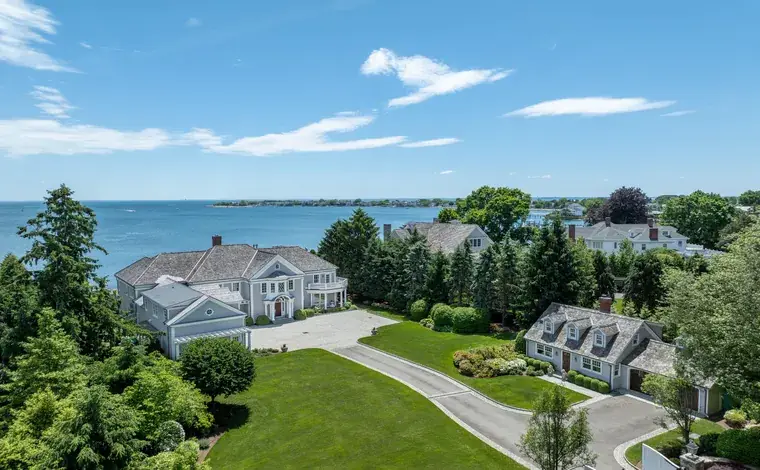
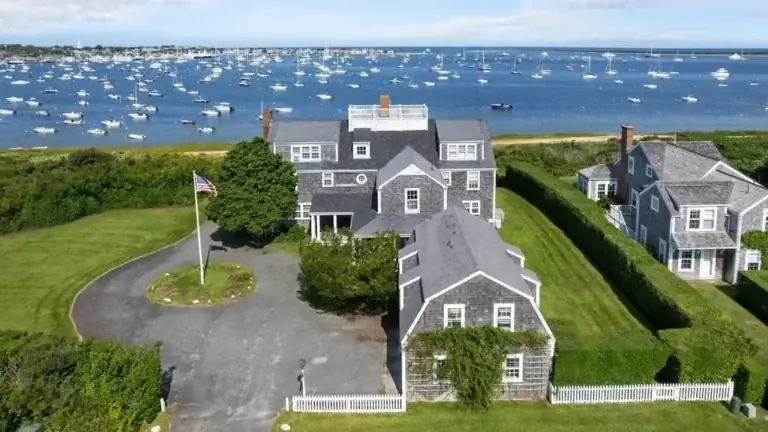
Deep historic roots mark Northeast coastal retreats across New England, the Hamptons, and coastal Maine. These homes feature weathered cedar shingle siding, complex rooflines, and sprawling covered porches. Cedar shingles contain natural oils that resist wood rot, aging over time to a distinguished silver-gray patina that fits surrounding coastal dunes.
Subtropical Modern Waterfront Villas
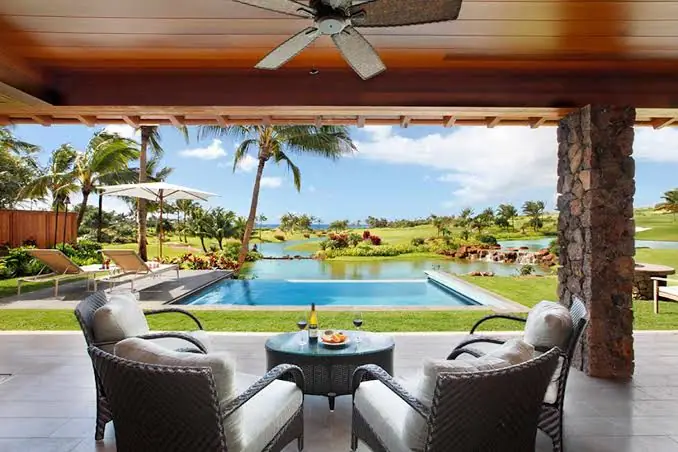
Sleek geometric lines, white stucco finishes, and massive impact glass curtain walls characterize South Florida coastal villas. These designs emphasize seamless indoor-outdoor living, with expansive pool decks and private deep-water yacht slips. However, smooth stucco finishes require frequent washing to prevent black algae growth in humid subtropical climates.
Pacific Northwest Timber-Frame Refuges
Rugged natural timbers, exposed steel joinery, and broad overhanging eaves mark coastal retreats across the Pacific Northwest. Designed to handle frequent rainfall and cool ocean breezes, these homes use heavy timber beams, natural stone cladding, and floor-to-ceiling glass oriented toward ocean bluffs.
Southern Lowcountry Elevated Plantations
Traditional Lowcountry architecture along the South Carolina and Georgia coasts responds directly to tidal marshes and warm humid climates. Raised on brick piers or concrete pilings, these homes feature broad hip roofs, wide wraparound piazzas, and tall windows that catch ocean breezes while keeping living spaces elevated above coastal flood surges.
Pacific Cliffside Modernist Structures
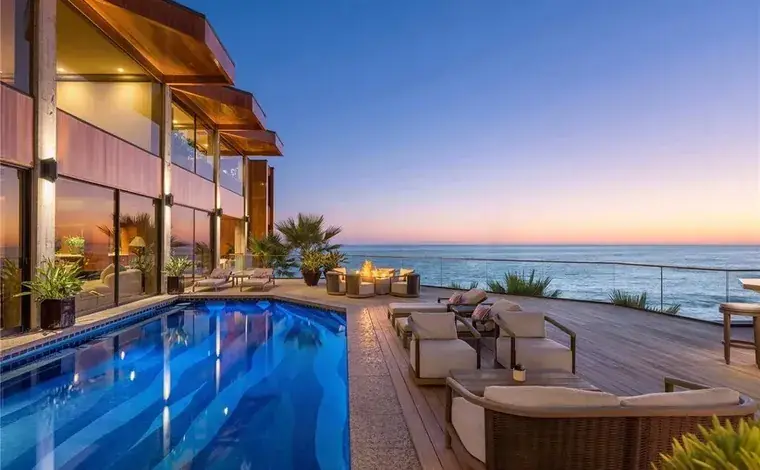
Perched along high sea bluffs in Big Sur, Carmel, and Southern California, these estates integrate concrete, glass, and raw steel into dramatic coastal landscapes. Cantilevered foundation footings extend living spaces over ocean bluffs, offering uninterrupted views while anchoring structures deep into coastal bedrock.
Subtropical Barrier Island Compounds
Isolated luxury compounds on private islands combine low-density master planning with resort-style amenities. These estates feature multiple detached guest pavilions, private boardwalk paths across protected dunes, and independent solar power storage systems to maintain off-grid resilience during severe weather events.
Coastal Architectural Typologies Comparison
Detailed Real-World Scenarios and Structural Risk Models
Low-Lying Barrier Island Barrier Failures
Barrier island properties face immediate risks from storm surge flooding and dune migration. A luxury residence built on shallow concrete footings risks structural loss when hurricane waves scour surrounding sand dunes away.
Correcting shallow foundation risks requires retrofitting the structure with deep steel-encased concrete pilings. These pilings anchor the home into deep sub-grade strata, allowing storm surges to pass harmlessly beneath living spaces without compromising structural integrity.
High-Bluff Erosion along Pacific Coastlines
Perched high above ocean waves, cliffside homes seem safe from direct water flooding. However, heavy winter rains saturate coastal soils, causing sudden bluff slumping and structural destabilization.
Protecting bluff-top estates requires installing deep drainage systems to redirect rainwater away from cliff edges. Engineers must also drive horizontal soil nails deep into rock strata to stabilize loose cliff faces before structural movement occurs.
Salt-Spray Degradation on Unsealed Reinforced Concrete
Concrete structures along open surf zones suffer from rapid salt spray penetration. Chloride ions migrate through concrete pores, reaching interior steel rebar. Rusting steel expands inside the matrix, cracking outer concrete layers away in a process called spalling.
Repairing spalled concrete involves chipping away damaged material, treating exposed rebar with anti-corrosion primers, and applying high-density epoxy mortar patches. Installing silane-siloxane water repellents seals concrete pores against future salt intrusion.
Planning, Cost, and Resource Dynamics
Constructing and maintaining high-end coastal properties requires significant financial planning. Owners must account for specialized marine engineering, elevated insurance premiums, and continuous preventative maintenance to preserve asset value over time.
Financial Capital Allocations
Tools, Strategies, and Engineering Systems
Marine-Grade Fasteners and Hardware
Standard zinc-plated screws degrade within months along frontline ocean exposures. High-end coastal builds mandate 316-grade stainless steel fasteners, copper roof flashings, and silicon-bronze structural connectors to prevent fastener failure.
Dedicated Dehumidification Systems
Central air conditioning units cool indoor air effectively, but often fail to manage high ambient humidity levels along coastal zones. Installing dedicated whole-home dehumidifiers keeps indoor relative humidity below 50 percent, preventing interior mold outbreaks and protecting fine interior finishes.
Impact-Resistant Glass Assemblies
Laminated impact glass windows resist extreme wind pressures and flying storm debris. These window units feature thick interlayer films bonded between glass sheets, keeping exterior building envelopes sealed even if outer glass layers crack during storm events.
Risk Landscape and Environmental Vulnerabilities
Managing coastal properties requires recognizing compounding environmental risks. Unchecked moisture leaks, airborne salt intrusion, and minor structural settling can combine to cause severe structural degradation over time.
Prolonged moisture intrusion behind exterior cladding systems creates ideal conditions for dry rot fungi. Dry rot spreads rapidly through structural floor timbers and wall framing, compromising structural safety and requiring costly structural repairs.
Governance, Maintenance, and Asset Preservation
Preserving coastal real estate assets demands structured maintenance schedules and proactive building envelope care. Mechanical equipment and exterior coatings degrade rapidly in marine environments, requiring continuous oversight.
Routine Pressure Washing Schedules
Bi-annual exterior washing removes accumulated salt deposits from exterior walls, window frames, and mechanical equipment. Rinsing salt crusts away slows metal corrosion and extends the operational lifespan of exterior finishes.
Proactive HVAC Coil Maintenance
Salt air corrodes exterior air conditioning condenser coils rapidly, lowering heat exchange efficiency. Applying protective epoxy coatings to condenser coils and scheduling monthly fresh water rinses prevents coil degradation and lowers replacement costs.
Measurement, Tracking, and Evaluation
Evaluating coastal building performance requires monitoring structural indicators, interior air quality metrics, and material degradation rates over long timeframes. Regular inspections identify minor issues before they become major structural failures.
Leading and Lagging Structural Performance Indicators
Leading indicators provide early warning signs of building envelope degradation. Tracked metrics include rising interior relative humidity, minor sealant cracking, and elevated concrete salt concentration levels. Lagging indicators include visible interior mold growth, rusting metal fasteners, spalling concrete, and wood rot.
Structured Diagnostic Data Logging
Maintaining detailed service logs helps property managers track building maintenance histories and evaluate material longevity over time. Inspectors should log relative humidity levels, exterior coating conditions, foundation stability readings, and mechanical service dates.
Common Misconceptions and Oversimplifications
“Elevated Flood Heights Guarantee Complete Storm Safety”
Building elevated living spaces protects living areas from rising floodwaters, but leaves lower pilings exposed to wave action and floating storm debris. Foundation pilings must be engineered to withstand horizontal impact forces during extreme weather events.
“Modern Glass Walls Are Entirely Maintenance Free”
High-performance impact glass units resist hurricane winds, but require continuous care in coastal zones. Airborne salt deposits etch glass surfaces over time if left unwashed, while salt air degrades rubber window gaskets and mechanical latch hardware.
Practical, Legal, and Contextual Considerations
Coastal property owners operate within complex regulatory environments governed by federal, state, and municipal agencies. Zoning laws strictly limit building footprints, height limits, and dune crosswalk constructions to protect fragile coastal ecosystems.
Erosion control regulations vary significantly across regional jurisdictions. Some coastal zones permit hard armoring solutions like concrete sea walls, while other regions restrict owners to soft stabilization methods like dune nourishment and sea oat planting.
Comprehensive Coastal Architecture Synthesis
Investing in luxury seaside homes usa requires balancing architectural vision with engineering realities. Superficially, oceanfront living offers scenic beauty and prestige. However, preserving property value requires managing physical forces like salt corrosion, wind pressure, and soil erosion over long timeframes. Evaluating luxury seaside homes usa involves inspecting marine exposure zones, selecting corrosion-resistant materials, and building elevated pile foundations. Combining modern structural engineering, proactive maintenance schedules, and clear environmental planning ensures coastal estates remain safe, comfortable, and valuable assets for generations to come.