Top Oceanfront Retreats in America: Coastal Geographies & Sanctuaries
The American coastline spans thousands of miles across diverse ecological zones. From the cold, wave-swept cliffs of the Pacific Northwest to the warm, sunlit barrier islands of the Atlantic, these dynamic interfaces host some of the most striking landscapes on the continent. Choosing to inhabit or visit these coastal zones requires a clear understanding of marine physics and environmental constraints.
Atmospheric salt, strong winds, and shifting tides test the durability of all human infrastructure. Selecting the right sanctuary means balancing aesthetic desires with structural realities. Oceanfront environments transform continuously through natural erosive forces and seasonal weather cycles. Evaluating these properties demands thorough analysis rather than relying on standard travel brochures or marketing claims.
Regional Climate Variations Across Shores
Geography dictates local weather patterns along every coastal corridor. The Pacific coast experiences cold currents, heavy fog layers, and dramatic rock formations. The Atlantic seaboard features warm currents, barrier island dunes, and high summer humidity levels.
Infrastructure and Access Constraints
Coastal geography dictates how visitors reach remote sanctuaries. Mainland shores offer easy highway access but suffer from high seasonal visitor density. Barrier islands protected by ferry systems limit daily traffic, preserving quiet surroundings while introducing complex transport logistics.
Understanding “top oceanfront retreats in america”
Evaluating top oceanfront retreats in america requires separating superficial marketing narratives from physical realities. High-end travel publications often highlight panoramic water views, luxury amenities, and private beach access. However, true sanctuary performance depends heavily on local geography, microclimate stability, and environmental zoning rules. Analyzing top oceanfront retreats in america involves studying tidal patterns, seasonal weather shifts, and architectural durability. Properties built along open ocean bluffs face vastly different physical stresses than estates tucked inside quiet tidal estuaries.
A frequent error involves treating all coastal destinations as interchangeable leisure zones. Regional climate differences create distinct seasonal experiences across different coastal corridors. Pacific shorelines feature cool waters, morning fog banks, and steep wave energy profiles. Southern Atlantic barrier islands provide warm marine waters, soft sand dunes, and high summer humidity. Assuming uniform climate conditions across all coastal regions leads to poor travel or investment choices.
Another common analytical mistake is ignoring local access infrastructure and seasonal population surges. Popular coastal enclaves experience heavy traffic congestion during peak summer months, altering the quiet atmosphere travelers seek. Understanding these physical and logistical factors allows travelers and property owners to select destinations that align with their long-term expectations.
Microclimate Shifts and Ocean Currents
Ocean currents shape the local weather profile of every coastal destination. Cold water currents generate persistent marine fog and lower air temperatures. Warm currents elevate humidity levels and drive tropical storm activity during peak seasons.
Structural Seclusion and Land Protection
True coastal sanctuaries rely on strict local zoning laws and natural geographic barriers to limit commercial overdevelopment. Preserved open spaces, national seashores, and local land trusts protect wild shorelines from dense commercial expansion.
Historical and Geographic Evolution of American Shorelines
American coastal travel evolved through distinct historic shifts driven by transport technology and changing cultural values. Early nineteenth-century coastal escapes centered on grand wooden hotels across New England. Urban residents sought relief from city heat by traveling to coastal enclaves. Early visitors valued ocean air for health benefits, establishing seasonal migration patterns.
The mid-twentieth century brought major changes through highway expansions and bridge construction. Coastal barrier islands transformed into accessible vacation communities. Lightweight timber construction and synthetic siding materials became widespread. However, early developments ignored natural dune migration patterns and storm dynamics, creating vulnerable structures along dynamic shorelines.
Today, discerning travelers and property owners seek out preserved coastal sanctuaries that remain intact despite intense commercial development. Land trusts, national park designations, and strict municipal zoning laws protect surviving wild shorelines. Modern coastal retreats prioritize environmental integration, low-density architecture, and direct access to unbuilt natural landscapes.
Architectural Adaptation to Marine Forces
Historic coastal architecture relied on passive cooling and durable construction materials. Shingle-style cottages used untreated cedar shakes that weathered ocean air naturally. Southern estates featured wide wraparound porches and high ceilings to maximize cross-ventilation before air conditioning existed.
Environmental Conservation and Public Land Grants
Establishing national seashores preserved massive stretches of American shoreline from commercial development. Protected zones safeguard coastal ecosystems, providing permanent natural sanctuaries for future generations.
Conceptual Frameworks and Mental Models
The Coastal Exposure Spectrum
Coastal retreats operate along an exposure spectrum ranging from open ocean bluffs to protected estuarine bays. Exposed oceanfront properties offer dramatic wave action, sweeping horizons, and intense marine winds. Inner bay sanctuaries feature calm waters, salt marshes, and rich bird habitats, protecting visitors from harsh storm cycles.
The Isolation Gradient Model
A sanctuary’s isolation depends on its transport infrastructure and geographical barriers. Drive-to mainland shorelines offer convenience, but suffer from high summer visitor density. Ferry-accessed offshore islands limit daily visitor numbers naturally, preserving quiet beaches and uncrowded local roads.
The Microclimate Barrier Framework
Local topography creates distinct weather zones within short geographic distances. Coastal mountain ranges block ocean fog from moving inland, creating warm microclimates along sheltered hillside coves. Understanding these microclimate boundaries helps travelers select locations with favorable local weather patterns.
Retreat Framework Comparison
Key Categories of Coastal Retreat Typologies
Pacific Northwest Wilderness Shorelines
Rugged headlands, old-growth temperate rainforests, and sea-stack rock formations define Pacific Northwest coastlines. Destinations like Cannon Beach and the San Juan Islands appeal to travelers who prioritize dramatic natural scenery, quiet beach walks, and cool ocean air over warm water swimming.
New England Maritime Villages
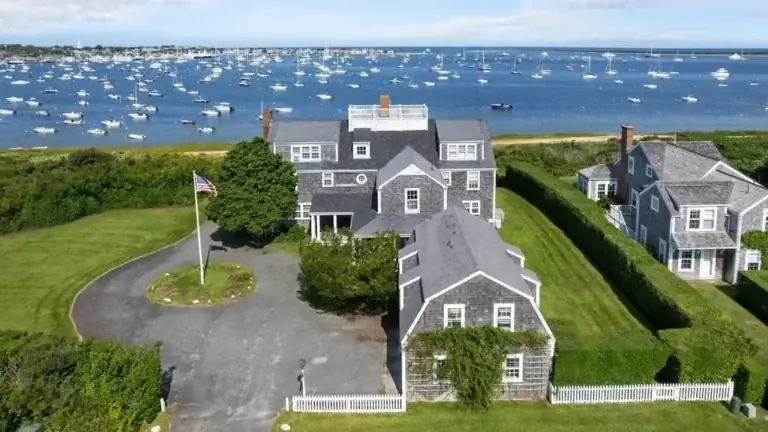
Historic harbors, cedar-shingle architecture, and deep seafaring heritage characterize New England coastal retreats. Locations like Martha’s Vineyard and coastal Maine offer quiet harbor views, fine seafood dining, and rich cultural history framed by rocky shorelines and lighthouse points.
Mid-Atlantic Barrier Islands
Expansive sand dunes, maritime pine forests, and wide sandy beaches define Mid-Atlantic barrier island retreats. The Outer Banks and Cape May offer long stretches of undeveloped beach, excellent surf fishing, and historic coastal towns preserved by strict preservation guidelines.
Lowcountry Sea Islands
Tidal salt marshes, ancient live oak trees draped in Spanish moss, and gentle tidal rivers characterize Southern Lowcountry retreats. Sanctuaries like Kiawah Island and Hilton Head combine world-class golf courses with quiet beach stretches and rich coastal marsh ecosystems.
Subtropical Florida Keys and Barrier Coasts
Clear warm waters, coral reef systems, and palm-lined beaches define Florida’s coastal retreats. Locations like Sanibel Island and Amelia Island cater to travelers seeking warm winter escapes, shallow-water boating, and active marine wildlife observation.
California Central Coast Bluffs
Sheer sea cliffs, coastal fog banks, and rolling marine terraces mark California’s Central Coast retreats. Big Sur and Carmel-by-the-Sea offer dramatic ocean vistas, scenic coastal driving routes, and luxury boutique lodging set high above breaking Pacific waves.
Coastal Retreat Category Comparison

Detailed Real-World Scenarios and Access Models
Ferry-Dependent Offshore Island Escapes
Visiting offshore islands requires careful travel logistics. Travelers must align schedules with ferry departures, manage vehicle reservations, and account for weather delays. Ferry dependency limits casual day-tripper crowds, keeping beaches quiet during peak summer weeks. However, winter ferry schedules contract sharply, reducing dining choices and municipal services for off-season visitors.
Private Barrier Island Sanctuary Communities
Communities use private access gates to maintain low residential density and quiet beaches. Controlled gate access limits beach overcrowding, preserving wildlife nesting zones and quiet coastal roads. Restricted public access can isolate visitors from surrounding regional cultures. Travelers seeking authentic local interactions may find gated master-planned communities overly controlled.
High-Bluff Pacific Hideaways
Sanctuaries built along high coastal bluffs offer dramatic ocean views from elevated perches. These properties place visitors high above the surf, where they can watch whale migrations and sunset horizons. High-bluff locations restrict direct water access. Reaching the beach often requires hiking down steep, winding footpaths. Travelers with mobility constraints must evaluate whether elevated bluff views compensate for losing level beach access.
Planning, Cost, and Resource Dynamics
Securing accommodations across top oceanfront retreats in america requires significant financial planning and early booking. High seasonal demand drives accommodation rates upward during prime climate windows, making shoulder-season visits an attractive alternative for value-conscious travelers.
Seasonal Cost Structure Projections
Tools, Strategies, and Environmental Systems
Marine Weather and Tide Tracking Applications
Understanding local tide tables is essential for coastal travelers. Low tides expose expansive walking sand flats, tide pools, and hidden sea caves. High tides can submerge narrow beaches entirely, cutting off walking paths along coastal bluffs.
Satellite Water Temperature Monitoring
Checking ocean temperature data prevents unrealistic swimming expectations. Coastal waters in Northern California remain cold even in mid-summer, requiring full wetsuits for extended ocean activities.
Microclimate Marine Layer Tracking
Tracking coastal fog patterns helps travelers plan daily activities effectively. Pacific coastal fog often covers shorelines in the morning before clearing by afternoon, making early inland excursions a smart alternative to morning beach walks.
Risk Landscape and Coastal Exposure Risks
Visiting dynamic coastal environments involves managing natural hazards and seasonal weather patterns. Ocean shorelines experience rapid weather changes, strong offshore currents, and seasonal storm events that require traveler awareness.
Rip currents pose a major physical hazard along open ocean beaches. Strong water channels break through incoming waves, pulling swimmers away from shore rapidly. Selecting beaches monitored by professional lifeguard stations lowers water safety risks significantly.
Governance, Maintenance, and Long-Term Adaptation
Coastal sanctuaries face growing pressure from rising sea levels, beach erosion, and severe storm events. Sustainable coastal management relies on balancing tourist access with environmental conservation principles.
Dune Restoration and Beach Preservation
Sand dunes serve as the primary natural barrier against storm surges and coastal erosion. Sustainable retreats enforce strict rules prohibiting walking on sea oats and sand dunes, using elevated boardwalks to direct foot traffic safely over fragile dune structures.
Local Land Conservation Trusts
Community land trusts buy vulnerable coastal acreage to prevent commercial overdevelopment. Protecting wild coastal land preserves public beach access, safeguards wildlife corridors, and maintains historic coastal views for future generations.
Measurement, Tracking, and Evaluation
Selecting the ideal coastal retreat requires evaluating clear travel indicators rather than relying on marketing materials. Tracking environmental metrics helps travelers find retreats that match their personal requirements for quiet, climate, and outdoor access.
Leading and Lagging Coastal Vacation Signals
Leading indicators help travelers evaluate destination quality before booking accommodations. Metrics include local building height limits, public beach access density, water quality scores, and commercial chain zoning bans. Lagging indicators include overcrowded beaches, long restaurant wait times, noisy coastal roads, and damaged dune vegetation.
Common Misconceptions and Oversimplifications
“All Coastal Retreats Offer Warm Beach Swimming”
Water temperatures along American shorelines vary dramatically by latitude and ocean currents. Ocean waters off Maine, Oregon, and Northern California stay cold year-round, making swimming uncomfortable without protective wetsuits.
“Off-Season Coastal Trips Are Always Disappointing”
Visiting coastal retreats during the off-season offers quiet beaches, lower accommodation rates, and dramatic storm-watching opportunities. Winter trips provide peaceful solitude unavailable during busy summer months.
Practical, Legal, and Contextual Considerations
Coastal geography varies widely across the United States, requiring travelers to align destination choices with their mobility needs and travel goals. High-bluff Pacific retreats require walking down steep trails to reach the water, while flat barrier islands offer easy, level beach access for all visitors.
Travelers must balance isolation goals with access convenience. Isolated island sanctuaries provide peaceful, quiet environments, but require extra travel time and offer limited medical and dining facilities compared to mainland coastal towns.
Comprehensive Coastal Sanctuary Synthesis
Finding top oceanfront retreats in america requires looking beyond marketing claims to evaluate physical geography, local microclimates, and access logistics. By understanding regional coastal dynamics, travelers can select sanctuaries that offer genuine tranquility, uncrowded shorelines, and memorable natural experiences. Choosing between rugged Pacific Northwest bluffs, historic New England harbors, quiet Southern Sea Islands, or sunny subtropical shores depends on matching personal travel goals with local environmental conditions. Careful research into seasonal weather patterns, water temperatures, and regional access constraints ensures your coastal retreat provides a restorative, high-quality escape year after year.