Luxury Coastal Living USA | Geographic Analysis & Estate Strategy
The American shoreline stretches thousands of miles across vastly different ecological zones. From the granite cliffs of the Pacific Northwest to the low-lying barrier islands of the Atlantic seaboard, these coastal fringes host some of the most sought-after real estate in the world. However, residing at the boundary between land and ocean presents unique spatial, environmental, and engineering challenges. High-value oceanfront living requires balancing aesthetic desires with the harsh physical realities of marine environments. Atmospheric conditions along the coast subject physical structures to continuous weathering, accelerated material oxidation, and complex hydro-thermal pressures.
Understanding these physical dynamics is essential for individuals seeking long-term stability along the shoreline. High atmospheric salinity, heavy wind pressures, and variable seasonal humidity levels degrade standard building materials rapidly. Without specialized structural design and proactive property management, home integrity degrades quickly. Property value along the coast depends heavily on site selection, structural adaptation, and local land-use protections. Buyers must look beyond broad market trends to evaluate local microclimates, tidal patterns, and geological conditions carefully.
Furthermore, coastal environments in North America undergo continuous physical transformations driven by tidal action, coastal erosion, and weather events. Managing coastal properties requires a comprehensive strategy that integrates architectural design, environmental engineering, and financial planning. Property owners face complex legal frameworks, strict environmental zoning regulations, and volatile insurance markets. Successfully navigating these factors demands clear long-term strategy rather than short-term design choices.
Understanding “luxury coastal living usa”
Analyzing luxury coastal living usa requires a clear distinction between superficial marketing narratives and structural realities. High-end property listings often focus on ocean views, infinity edge pools, and high-end interior finishes. However, true coastal property performance depends on site-specific physical geography and architectural resilience. A thorough evaluation of luxury coastal living usa examines structural engineering standards, material selections, and local microclimate variations. Properties built along open ocean bluffs face vastly different physical stresses than estates situated inside protected tidal estuaries.
A common analytical mistake involves treating all coastal locations as interchangeable lifestyle assets. Regional climate variations create distinct living conditions across different coastal corridors. Pacific coastlines feature cool sea temperatures, seasonal fog layers, and steep wave energy profiles. Southern Atlantic and Gulf coastlines offer warm marine waters, soft barrier island dunes, and high summer ambient humidity. Assuming uniform climate conditions across all coastal regions leads to poor property acquisition decisions.
Another frequent analytical error is oversimplifying property ownership costs along the shoreline. Direct acquisition prices represent only a fraction of total ownership expenses over time. Continuous exposure to airborne salt spray, coastal storm surges, and changing environmental regulations increases ongoing operational budgets significantly. Understanding these underlying physical factors enables property owners to protect structural investments and maintain high quality of life standards.
Ocean Current Profiles and Microclimate Patterns
Regional ocean currents dictate local weather dynamics along coastal corridors. Cold water currents along the West Coast produce sea fog and cool air temperatures, while warm currents along the East Coast elevate humidity levels and increase tropical storm activity.
Structural Seclusion and Infrastructure Constraints
Coastal geography influences daily access and community density directly. Mainland shorelines offer convenient transport access, but face higher seasonal visitor traffic. Offshore barrier islands limit public entry via ferry systems, preserving quiet living environments while introducing complex freight logistics.
Historical and Geographic Evolution of Shoreline Escapes
American coastal habitation evolved through distinct historical phases driven by transportation advancements, building innovations, and shifting cultural priorities. During the nineteenth century, coastal escapes centered on grand wooden hotels and shingle-style cottages across the Northeast. Wealthy urban residents traveled to coastal enclaves like Newport and Bar Harbor to escape summer heat and industrial pollution. Early builders relied on natural site placement, steep roof slopes, and deep wraparound porches to manage sun exposure and ocean breezes before mechanical air conditioning existed.
The mid-twentieth century brought major changes to coastal development through expanded highway networks, bridge construction, and suburban expansion. Coastal barrier islands were connected to mainland highway systems, triggering rapid residential building booms. Lightweight timber construction and synthetic siding materials became widespread, allowing faster building cycles along fragile dune systems. However, many mid-century developments ignored natural dune migration patterns and coastal storm dynamics, creating vulnerable residential areas along dynamic shorelines.
Today, modern coastal development emphasizes structural resilience, environmental stewardship, and advanced engineering integration. Modern building codes mandate deep pile foundations, impact-resistant glazing, and elevated living spaces set well above historic storm surge levels. Local land-use authorities enforce strict building setbacks to protect natural dune buffers, balancing luxury residential development with environmental preservation.
Transition to Resilient Building Materials
Building hardware along coastal zones shifted from standard structural steel toward corrosion-resistant alloys. Modern coastal construction utilizes 316-grade stainless steel, structural titanium, and specialized composite fasteners to resist atmospheric salt degradation.
Regulatory Evolution and Shoreline Zoning
Devastating hurricane cycles reshaped municipal construction codes and coastal management policies. Current regulations require continuous structural load paths, strict dune protection zones, and clear environmental impact assessments prior to construction.
Conceptual Frameworks and Mental Models
The Marine Exposure Continuum
Coastal properties exist along an exposure spectrum determined by distance from ocean waves, elevation above sea level, and local topography. Frontline oceanfront parcels experience heavy salt spray, high wind loads, and direct wave action. Properties situated behind secondary sand dunes or along elevated bluffs benefit from natural microclimate buffers, reducing long-term structural wear.
The Thermal-Vapor Dynamics Model
High interior air conditioning usage creates steep vapor pressure differentials during warm, humid months along the coast. Warm, moist exterior air forces moisture inward through porous building cladding, condensing inside interior wall cavities if vapor barriers are installed incorrectly.
The Foundation Stability Gradient
Foundation integrity depends on matching structural footings with underlying geological formations. Solid granite ledge provides high bearing capacity against ocean waves, whereas unconsolidated beach sand requires deep friction pilings driven deep into earth sub-layers.
Coastal Framework Matrix
Key Categories of Coastal Living Typologies
Pacific Northwest Headland Compounds
Rugged sea stacks, old-growth coastal rain forests, and dramatic granite cliffs define Pacific Northwest coastal properties. Residences across Oregon and Washington feature heavy timber framing, broad overhanging eaves, and expansive glass walls oriented toward ocean vistas. These homes prioritize indoor thermal comfort, wind protection, and seamless integration with surrounding forest ecosystems.
New England Historic Shingle-Style Estates
Historic harbor views, cedar-shingle siding, and rich maritime heritage mark New England coastal estates. Properties across Martha’s Vineyard, Nantucket, and coastal Maine utilize cedar shingles that weather naturally to a silver-gray patina. These residences balance classic architectural traditions with high-performance modern building envelopes designed to withstand cold winter storms.
Mid-Atlantic Outer Barrier Island Enclaves
Expansive sand dunes, sea oat vegetation, and wide sandy beaches characterize Mid-Atlantic barrier island properties. Homes across the Outer Banks use deep piling foundations, multi-level exterior decking, and open floor plans designed to capture sea breezes.
Southern Lowcountry Marsh Properties
Tidal salt marshes, ancient live oak trees draped in Spanish moss, and slow-moving tidal rivers define Southern Lowcountry estates. Residences across South Carolina and Georgia feature elevated brick piers, wide wraparound piazzas, and high ceilings that encourage natural cross-ventilation during warm summer months.
Subtropical Florida Keys and Barrier Island Villas
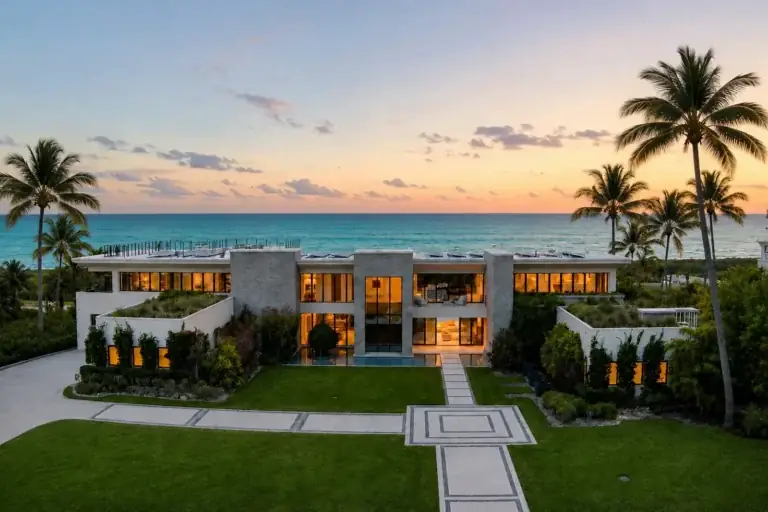
Clear turquoise waters, coral reef structures, and palm-lined shorelines define subtropical Florida properties. Architectural designs emphasize seamless indoor-outdoor living with large impact-glass curtain walls, private boat slips, and light-colored exterior finishes that reflect solar heat.
California Central Coast Bluff Architecture
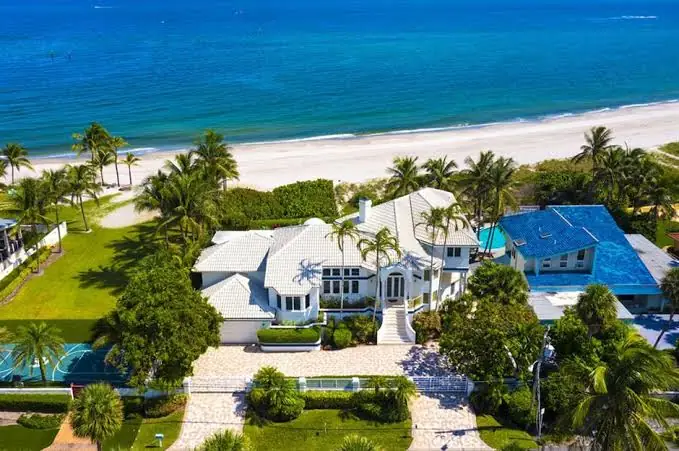
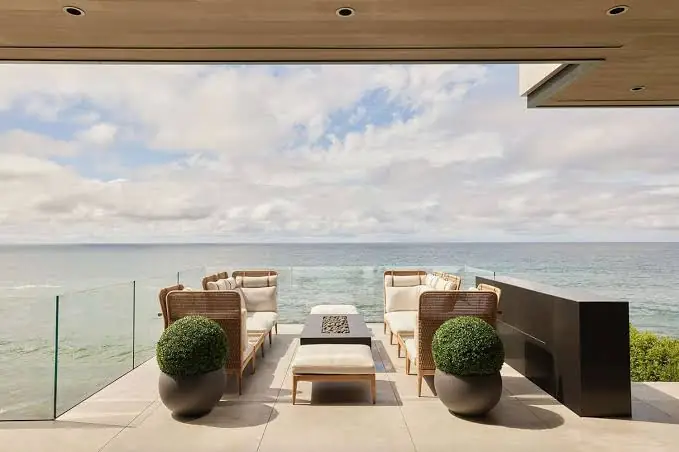
Sheer sea cliffs, rolling marine terraces, and dramatic ocean views mark California’s Central Coast estates. Residences in Big Sur and Carmel integrate concrete, glass, and raw structural steel into coastal bluffs, positioning living spaces high above Pacific surf line.
Coastal Living Typology Matrix
Detailed Real-World Scenarios and Access Models
Sub-Grade Basement Infiltration in Tidal Zones
Low-lying coastal residences with sub-grade basements experience high water table pressures during extreme high tides. Hydrostatic pressure forces groundwater through foundation wall micro-cracks, causing interior flooding and damaging building infrastructure.
Remediating basement moisture requires installing external drainage membranes, interior sump pump systems, and waterproof tanking layers. Property owners must maintain backup battery power systems to ensure continuous pump operation during severe weather outages.
Wind-Driven Rain Intrusion in High-Rise Envelopes
High-rise coastal condominiums face extreme wind pressures during severe storms. Strong winds force rainwater through window seal micro-cracks, saturating interior drywall and damaging hardwood flooring.
Preventing water intrusion requires installing commercial-grade impact windows with high water resistance ratings. Building managers must schedule regular exterior sealant inspections to replace degraded seals before storm seasons begin.
Corrosion of Exterior Mechanical Air Units
HVAC condenser units installed outdoors along oceanfront properties face rapid salt corrosion. Salt deposits degrade aluminum cooling fins within short timeframes, lowering heat exchange efficiency and causing system failures.
Protecting mechanical systems requires applying anti-corrosion coatings to condenser coils and mounting units inside sheltered equipment enclosures. Rinsing equipment with fresh water regularly removes salt accumulations and extends mechanical operational lifespans.
Planning, Cost, and Resource Dynamics
Acquiring and maintaining oceanfront real estate requires comprehensive financial planning. Property owners must evaluate specialized marine engineering fees, elevated insurance premiums, and ongoing preventative maintenance costs alongside initial purchase prices.
Coastal Financial Asset Allocations
Tools, Strategies, and Environmental Systems
High-Performance Structural Fasteners
Standard zinc-plated screws degrade quickly in marine atmospheres. High-end coastal construction mandates 316-grade stainless steel fasteners, copper roof flashings, and silicon-bronze connectors to maintain structural joinery integrity over time.
Whole-Home Dehumidification Systems
Central air conditioning systems cool indoor spaces effectively, but struggle to control continuous ambient humidity along coastal corridors. Dedicated whole-home dehumidifiers keep interior relative humidity below 50 percent, preventing mold growth and protecting interior wood finishes.
Laminated Impact Window Assemblies
Impact-resistant glass window assemblies withstand heavy wind pressures and flying storm debris. These window units use thick polymer interlayer films bonded between glass panes, keeping building envelopes intact even if exterior glass layers shatter during storm events.
Risk Landscape and Environmental Exposure Risks
Living along coastal corridors requires active management of compounding environmental risks. Unchecked moisture intrusion, airborne salt deposition, and coastal soil erosion can destabilize physical structures over time.
Continuous water intrusion through building envelope micro-cracks creates ideal conditions for wood-decaying fungi. Dry rot spreads through structural wood framing quickly, compromising structural integrity and requiring expensive structural repairs.
Governance, Maintenance, and Long-Term Adaptation
Preserving coastal real estate assets requires structured maintenance schedules and regular building envelope inspections. Mechanical equipment and exterior coatings degrade rapidly in marine environments without continuous oversight.
Bi-Annual Exterior Salt Washing
Scheduled exterior pressure washing removes accumulated salt deposits from exterior walls, window frames, and mechanical enclosures. Washing salt residue away prevents accelerated metal corrosion and extends the lifespan of protective paint finishes.
HVAC System Maintenance Protocol
Salt spray corrodes exterior air conditioning coils quickly, reducing thermal efficiency. Applying protective epoxy coatings to coils and scheduling monthly fresh water rinses prevents premature equipment failure.
Measurement, Tracking, and Structural Evaluation
Evaluating coastal property performance requires tracking structural indicators, indoor air quality metrics, and material wear rates over long timeframes. Regular inspections identify minor vulnerabilities before they escalate into major structural failures.
Structural Performance Indicators
Leading performance indicators offer early warning signs of building envelope wear. Metrics include rising interior humidity levels, minor sealant cracking, and elevated concrete salt concentration readings. Lagging indicators include visible interior mold growth, rusting metal fasteners, spalling concrete, and wood rot.
Structured Diagnostic Data Logging
Maintaining detailed maintenance logs helps property owners track building repair histories and evaluate material longevity over time. Inspectors should log relative humidity readings, exterior coating conditions, foundation stability measurements, and mechanical service dates.
Common Misconceptions and Oversimplifications
“Elevated Foundations Eliminate All Flood Risks”
Building elevated living platforms protects living spaces from rising floodwaters, but leaves lower pilings exposed to wave action and floating debris. Foundation pilings must be engineered to withstand heavy horizontal impact forces during severe storm cycles.
“Modern Glass Enclosures Require No Maintenance”
High-performance impact glass units resist high winds, but demand continuous maintenance along coastal zones. Salt spray etches glass surfaces over time if left unwashed, while salt air degrades rubber gaskets and metal hardware.
Ethical, Practical, and Contextual Considerations
Coastal property ownership operates within strict legal and environmental frameworks managed by federal, state, and local agencies. Shoreline protection laws govern building footprints, height limits, and dune boardwalk designs to safeguard dynamic coastal ecosystems.
Erosion management regulations vary significantly by regional jurisdiction. Some coastal regions permit hard seawall construction, while others restrict owners to natural stabilization methods like sand dune replenishment and native grass planting.
Comprehensive Coastal Living Synthesis
Sustaining luxury coastal living usa over long timeframes requires balancing aesthetic desires with structural engineering principles. While oceanfront living offers unparalleled views and lifestyle benefits, long-term success demands proactive management of physical marine stresses. Evaluating luxury coastal living usa involves analyzing marine exposure zones, selecting corrosion-resistant materials, and engineering resilient pile foundations. By combining advanced architectural design, proactive maintenance schedules, and clear environmental planning, property owners can preserve asset value and enjoy comfortable shoreline living for decades to come.